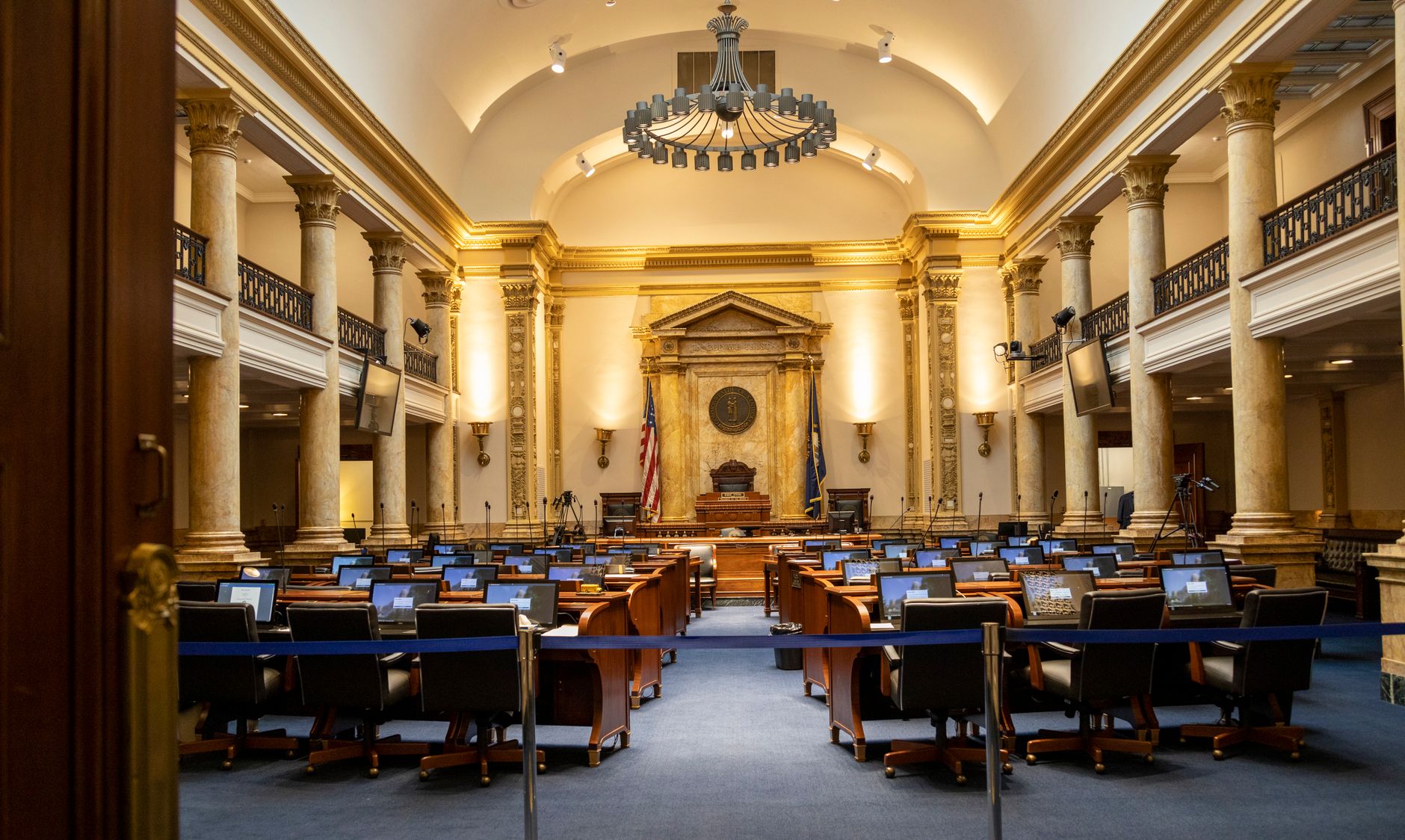
Senate legislative stall has become a significant issue, leaving Sen. Kennedy embarrassed by the lack of progress on key bills. This situation raises questions about legislative effectiveness and accountability.
Understanding the Senate Legislative Process
The Senate legislative process is often complex and fraught with challenges that can lead to significant delays, commonly referred to as a Senate legislative stall. Understanding how this process works is crucial for grasping why certain bills, despite initial momentum, can become stalled in the chamber.
At its core, the Senate operates on a set of rules that dictate how legislation is introduced, debated, and voted on. The following are key elements of this process:
- Introduction of Bills: Senators can propose legislation, which is then assigned to a committee for review.
- Committee Hearings: Committees hold hearings to gather information and opinions on the proposed bill.
- Floor Debate: If a bill passes through committee, it moves to the Senate floor for debate, where senators can express their views and suggest amendments.
- Voting: After debate, the Senate votes on the bill; a simple majority is required for passage.
However, the ability to invoke filibusters and other procedural tactics can significantly hinder progress, resulting in a Senate legislative stall that frustrates both legislators and constituents alike.
Sen. Kennedy’s Reaction to the Stall
Senator John Kennedy expressed his frustration regarding the recent Senate legislative stall following the fallout from the One Big Beautiful Bill. In a statement, he emphasized the detrimental impact of the current gridlock on the American people, stating, “We were elected to serve, not to stall.”
Kennedy, known for his straightforward communication style, pointed out several key areas that have been neglected due to the stall:
- Healthcare Reform: The senator highlighted the need for immediate action to improve access to affordable healthcare.
- Infrastructure Investment: He called for bipartisan support to address the crumbling infrastructure that affects millions.
- Economic Recovery: Kennedy urged his colleagues to prioritize legislation that would stimulate job growth and support small businesses.
In a passionate plea, he argued that the ongoing legislative stall undermines the very purpose of the Senate. “If we continue down this path, we risk losing the trust of the American people,” Kennedy warned. He believes that collaboration across party lines is essential to overcome the current stalemate and foster meaningful progress on pressing issues. His remarks resonate with many who are increasingly frustrated with the Senate’s inability to act decisively amidst urgent challenges.
Impact of Legislative Delays on Policy
The impact of legislative delays on policy can be profound, affecting not only the political landscape but also the everyday lives of citizens. When the Senate experiences a legislative stall, crucial bills often remain unaddressed, leading to a backlog of necessary reforms.
One major consequence of these delays is the erosion of public trust in governmental institutions. Voters may feel disillusioned when they witness their elected representatives failing to act on pressing issues. This can lead to increased political polarization, as citizens turn to alternative solutions outside the traditional legislative process.
Additionally, stalled legislation can hinder economic growth. Policies related to infrastructure, healthcare, and education that would otherwise stimulate the economy may be left in limbo. Businesses may hesitate to invest when the future regulatory environment is uncertain, further exacerbating economic challenges.
Moreover, the longer the Senate legislative stall persists, the more likely it is that urgent issues will become politicized, complicating bipartisan efforts to find common ground. As stakeholders grow frustrated, the chances of reaching a compromise diminish.
In summary, the implications of legislative delays extend far beyond the Senate chamber, affecting both governance and the lives of ordinary Americans.
What Happens Next in the Senate?
As the Senate grapples with the ongoing legislative stall, many are left wondering what happens next in this complex political landscape. The impasse has raised significant concerns regarding the ability of lawmakers to effectively address pressing issues facing the nation.
In the wake of recent setbacks, several strategies are being considered to break the deadlock. Key players within the Senate are urging for a renewed focus on bipartisan efforts, as reaching across the aisle may provide a pathway out of the current legislative gridlock. However, skepticism remains as past attempts at collaboration have often faltered.
In addition to bipartisan initiatives, some senators are advocating for the use of procedural maneuvers to expedite discussions and vote on critical legislation. This approach, while controversial, may be necessary to mitigate the consequences of the legislative stall.
- Negotiations among party leaders are expected to intensify in the coming weeks.
- Pressure from constituents may prompt lawmakers to prioritize key issues.
- Potential consequences of further delays could influence upcoming elections.
Ultimately, the direction the Senate takes will be crucial in determining whether they can move past the current legislative stall and deliver meaningful policy changes in the near future.
Public Opinion on Senate Performance
As the Senate legislative stall continues to draw criticism, public opinion appears increasingly aligned against the body’s perceived inefficiency. Recent polls indicate that a majority of Americans are frustrated with the Senate’s inability to pass significant legislation in a timely manner.
Concerns regarding the Senate’s performance are echoed in various sectors of society, revealing a growing sentiment that this legislative gridlock hampers progress on critical issues. According to a survey conducted by the Public Policy Institute, 65% of respondents believe that the Senate is not effectively representing their needs.
The growing discontent is further reflected in the following areas:
- Economic Concerns: Many voters are worried that delays in legislation could stall economic recovery.
- Health Care: The public is anxious for reforms, especially in light of ongoing health crises.
- Climate Change: A significant portion of the population is calling for immediate action on environmental issues.
As frustrations mount, the Senate’s legislative stall may lead to long-term repercussions for its members, particularly as they head into upcoming elections. The question remains whether lawmakers will heed public sentiment or continue down the path of inaction.
Comparing Past Legislative Stalls
The phenomenon of legislative stalls in the Senate is not new, as history reveals several instances where similar tactics have been employed to hinder progress. These past events provide insight into the potential consequences of such strategies.
- The 2001 Energy Bill: Efforts to pass comprehensive energy legislation faced significant delays due to partisan disagreements. This stall ultimately resulted in a weakened bill that failed to address pressing energy issues.
- The Affordable Care Act: During its passage, the Senate encountered numerous procedural hurdles, including filibusters that prolonged discussions. While the Act was eventually passed, the legislative stall allowed for extensive public debate that shifted perceptions and opinions.
- The Immigration Reform Debate (2013): A bipartisan effort to overhaul immigration laws was stalled by political infighting. This legislative stall not only delayed potential reforms but also intensified partisan divisions within Congress.
These examples illustrate that while a legislative stall might seem like a strategic move, it often backfires, leading to prolonged uncertainty and diminished public confidence in the Senate. As seen in the recent reaction from Sen. Kennedy, such tactics can result in embarrassment for lawmakers and frustration among constituents.
Future Prospects for Senate Action
As the Senate grapples with its current legislative stall, the future prospects for action remain uncertain. Lawmakers face mounting pressure to address key issues, yet the gridlock continues to hinder progress.
Several factors contribute to this impasse:
- Partisan Divides: The deepening political divisions within the Senate create challenges in reaching consensus on significant legislation.
- Public Pressure: Increasing dissatisfaction among constituents regarding the Senate’s performance is prompting some senators to reconsider their strategies.
- Upcoming Elections: As midterm elections approach, many senators may prioritize campaigning over legislative initiatives, further complicating efforts to break the stall.
Despite these hurdles, some senators are exploring potential compromises. Sen. Kennedy has voiced his frustration with the legislative process, emphasizing the need for urgency in addressing pressing concerns. The hope is that renewed dialogue and strategic negotiation could pave the way for future action.
As public sentiment shifts, the Senate may find it increasingly necessary to overcome the legislative stall and focus on enacting meaningful policies that resonate with voters. The coming weeks will be crucial in determining whether lawmakers can successfully navigate this challenging landscape.
Key Players in the Legislative Process
The current Senate legislative stall has highlighted several key players who significantly influence the process. Understanding their roles provides insight into the ongoing delays and potential resolutions.
- Majority Leader Chuck Schumer: As the leader of the majority party, Schumer plays a pivotal role in setting the legislative agenda. His ability to navigate party dynamics and unify senators around key issues is crucial during this period of stagnation.
- Minority Leader Mitch McConnell: McConnell’s strategies often revolve around leveraging his party’s opposition to stall legislation. His tactics can create significant roadblocks, impacting the Senate’s ability to move forward.
- Committee Chairs: Chairs of crucial committees hold considerable power in determining which bills progress. Their decisions can either expedite or hinder legislative actions, making them essential players in overcoming the current stall.
- Key Senators: Individual senators, particularly those from swing states or with significant influence, can sway the outcome of votes. Their perspectives and negotiations often dictate the speed and success of legislative measures.
As the stall continues, the actions of these players will be critical in shaping the future of Senate legislation and addressing pressing national issues.
The Senate legislative stall has become a common tactic used by both parties, often leading to frustration among the electorate. Ultimately, the Senate legislative stall undermines the effectiveness of government and delays critical reforms.
Photo by raksasok heng on Pexels
Sources
Model Misalignment Framework: Is This the Best Solution? · Throttle Trace Early Access: The Best Proven Launch Trailer · AI Regulation Impact: Is It the Right Move for Safety?