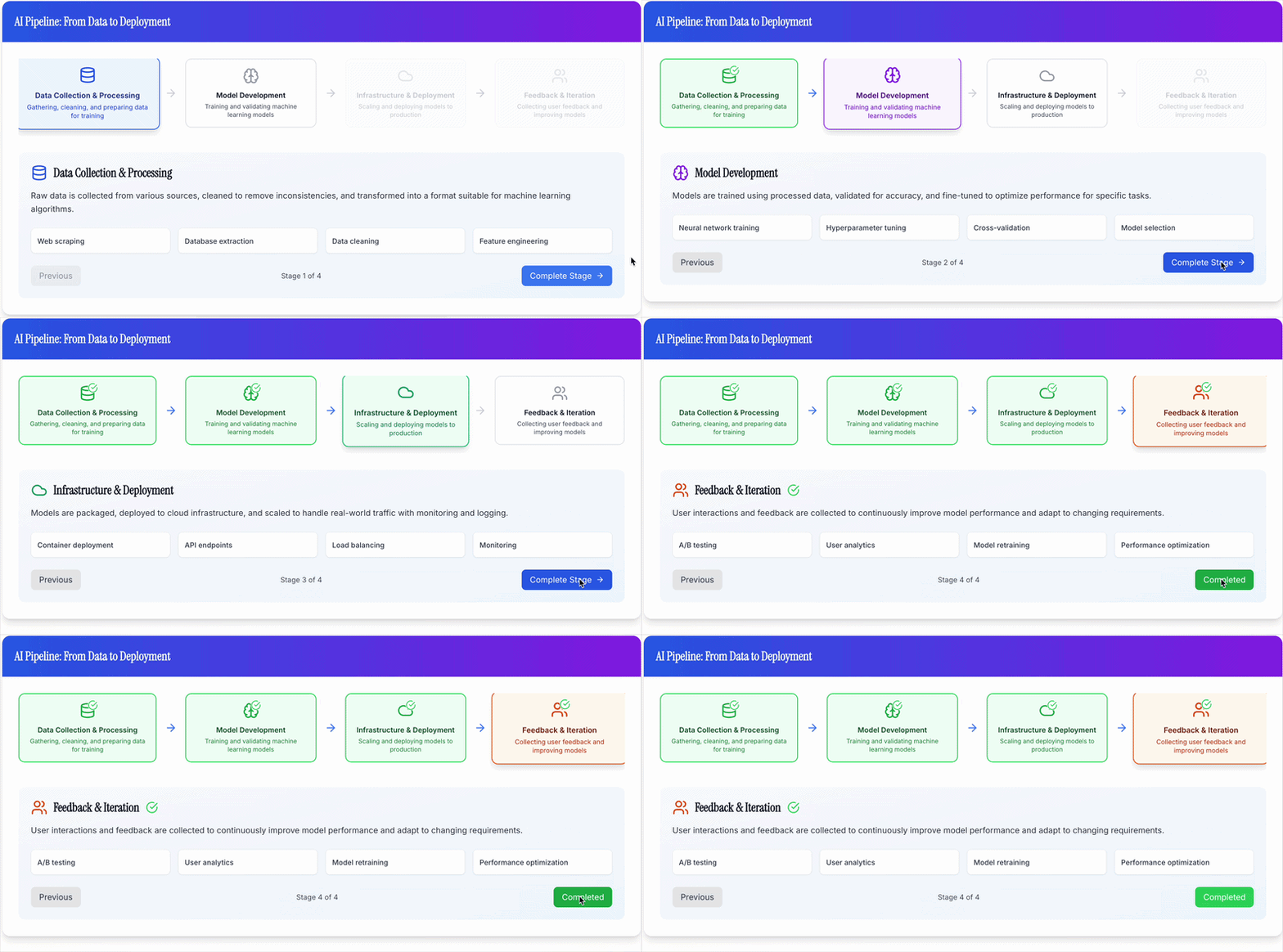
AI model development has reached new heights with Riemann Computing’s recent technical account detailing their innovative 13.1-billion-parameter model.
Overview of Riemann Computing’s AI Model
Riemann Computing has recently published a comprehensive technical account detailing the development of their groundbreaking AI model, which boasts an impressive 13.1 billion parameters. This significant achievement highlights the company’s commitment to pushing the boundaries of AI model development. The publication outlines the innovative methodologies and technologies implemented throughout the development process, which are essential for creating such a robust model.
Among the key techniques employed, Riemann Computing emphasized the importance of scalable architectures and advanced training algorithms. These methodologies not only enhance the model’s performance but also ensure efficiency in processing vast amounts of data. The technical account also delves into the intricacies of data selection and preprocessing, which are critical steps in developing an effective AI model.
Furthermore, the publication discusses how Riemann Computing has integrated feedback loops and iterative testing into their development cycle. This approach allows for continuous improvement and adaptation of the model based on real-world data and user interactions. The combination of these proven techniques showcases Riemann Computing’s dedication to excellence in AI model development.
As the field of artificial intelligence continues to evolve, Riemann’s insights and experiences serve as a valuable resource for other organizations aiming to enhance their own AI capabilities.
Key Features of the 13.1-Billion-Parameter Model
The recent publication by Riemann Computing highlights several key features that set their 13.1-billion-parameter AI model apart from its predecessors. This extensive model development process has revealed innovative techniques that enhance performance and efficiency.
- Scalability: The model is designed to efficiently scale with increased data and computational resources. This adaptability allows it to maintain high performance across various applications.
- Transfer Learning: Utilizing transfer learning strategies, the model can apply knowledge gained from one task to improve performance on another, significantly accelerating the training process.
- Dynamic Architecture: The architecture of the model is dynamically adjustable, enabling it to optimize its parameters based on real-time data inputs. This feature enhances its ability to learn and adapt to new information.
- Robustness: Through rigorous testing and validation, the model has demonstrated exceptional robustness, minimizing errors and ensuring reliable outputs even in unpredictable scenarios.
- Energy Efficiency: The development process prioritized energy efficiency, reducing the carbon footprint associated with training large-scale AI models while maintaining high levels of performance.
These features collectively contribute to the impressive capabilities of Riemann Computing’s AI model, showcasing the advanced techniques behind AI model development that could redefine industry standards.
Challenges in AI Model Development
The development of AI models, particularly those as intricate as the 13.1-billion-parameter model from Riemann Computing, presents a myriad of challenges that require innovative solutions. These challenges can significantly impact the performance and efficiency of the models.
- Data Quality and Quantity: One of the primary obstacles in AI model development is ensuring the availability of high-quality data. Insufficient or biased data can lead to poor model performance and inaccurate outcomes.
- Computational Resources: The training of large models necessitates substantial computational power. Organizations must invest in advanced hardware and software infrastructure, which can be a daunting task.
- Algorithm Complexity: As models grow in size and complexity, so do the algorithms that underpin them. Developing and refining these algorithms to handle large datasets efficiently is a critical challenge.
- Ethical Considerations: The deployment of AI systems brings ethical dilemmas, particularly concerning privacy and bias. Developers must navigate these issues carefully to ensure responsible AI use.
- Scalability: Scaling the model while maintaining performance is crucial. Developers face the challenge of optimizing the model to ensure it can handle increasing loads without degradation.
Addressing these challenges is essential for successful AI model development, paving the way for more efficient and effective applications in various industries.
Comparative Analysis with Other AI Models
In the rapidly evolving landscape of artificial intelligence, the development of AI models with varying parameter counts presents an intriguing area for comparative analysis. Riemann Computing’s latest release of its 13.1-billion-parameter model has set a new benchmark, prompting comparisons with other leading AI models in the field.
When evaluating the performance and capabilities of Riemann’s model, it is essential to consider the following key aspects:
- Scale: The sheer number of parameters plays a crucial role in the model’s ability to understand and process data. Models such as OpenAI’s GPT-3 and Google’s BERT have also demonstrated similar scalability, with parameters ranging from billions to trillions.
- Efficiency: Despite the large parameter count, Riemann’s model aims for enhanced efficiency, utilizing advanced techniques in training and deployment. This contrasts with other models that may prioritize size over operational efficiency.
- Generalization: The 13.1-billion-parameter model exhibits improved generalization capabilities, which is a significant advantage for diverse applications. This feature is often a focal point in AI model development, as it determines adaptability across various tasks.
As the competition in AI model development intensifies, these comparative insights will be vital for researchers and developers seeking to push the boundaries of what is possible in the field.
Future of AI Model Development
The future of AI model development is poised for transformative advancements as organizations continue to explore innovative methodologies and technologies. As demonstrated by Riemann Computing’s recent release of a 13.1-billion-parameter model, the potential for achieving higher efficiency and accuracy in artificial intelligence systems is expanding rapidly.
Key trends shaping the future of AI model development include:
- Scalability: As computational power increases, the ability to scale AI models will enable researchers to develop even larger and more complex systems.
- Transfer Learning: Leveraging pre-trained models will allow developers to fine-tune existing architectures for specific applications, significantly reducing time and resources required for training.
- Ethical AI: A growing emphasis on ethical considerations will drive the development of models that prioritize fairness, transparency, and accountability.
- Collaboration: Open-source initiatives and collaborative platforms will foster knowledge sharing and accelerate innovation in AI model development.
Furthermore, the integration of automated machine learning (AutoML) tools is expected to simplify the model creation process, allowing even non-experts to contribute effectively. As industries increasingly rely on AI technologies, the focus will shift towards creating models that not only perform well but also align with societal values and expectations.
In conclusion, the journey of AI model development is just beginning, with exciting opportunities on the horizon that will redefine the capabilities of artificial intelligence.
Conclusion and Implications for the Industry
In conclusion, the development of AI models, particularly the 13.1-billion-parameter model by Riemann Computing, highlights significant advancements and considerations within the field. The proven techniques discussed throughout the article not only demonstrate the capability of handling vast amounts of data but also emphasize the importance of scalability and efficiency in AI model development.
As the industry continues to evolve, organizations must recognize the implications of adopting such large-scale models. Key takeaways from this development include:
- Resource Allocation: Proper allocation of computational resources is crucial to manage the complexities associated with high-parameter models.
- Cross-Disciplinary Collaboration: Successful AI model development often requires collaboration across various fields, including data science, software engineering, and domain expertise.
- Ethical Considerations: As AI models grow in capability, addressing ethical implications and biases becomes increasingly essential to ensure responsible deployment.
- Continuous Learning: The landscape of AI is dynamic; ongoing research and adaptation are necessary to keep pace with technological advancements.
Ultimately, the insights gleaned from Riemann Computing’s approach to AI model development not only set a benchmark for future endeavors but also inspire a more profound understanding of how large-scale models can be utilized to solve complex real-world problems. As the industry embraces these innovations, the potential for transformative applications continues to grow.
By Purufromlexai via Openverse