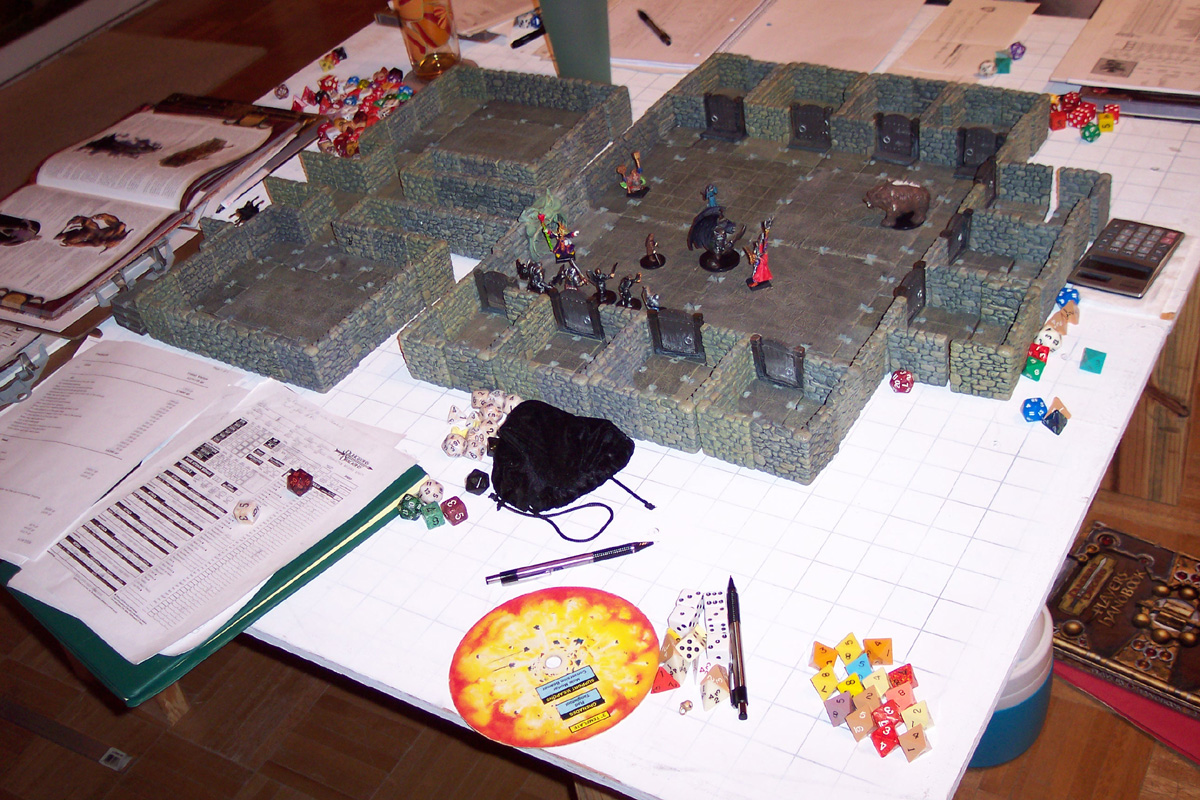
screen free tweens are engaging in Dungeons & Dragons, a tabletop game that encourages creativity and collaboration. This trend highlights a growing movement towards offline activities for young people.
The Rise of Screen Free Activities
As the digital world continues to dominate leisure time, a growing number of screen free tweens are embracing traditional, offline activities. One of the most popular of these activities is Dungeons & Dragons, a tabletop role-playing game that fosters creativity, teamwork, and problem-solving.
Parents and educators are increasingly recognizing the benefits of encouraging children to engage in screen-free experiences. The rise of screen-free activities has been linked to numerous advantages, including:
- Enhanced Social Skills: By interacting face-to-face, tweens develop communication and collaboration skills that are often lacking in digital interactions.
- Increased Creativity: Games like Dungeons & Dragons allow children to create their own characters and stories, stimulating their imagination and encouraging inventive thinking.
- Improved Focus: Engaging in tabletop games requires concentration, which can help improve attention spans and reduce distractions often associated with screens.
As more families seek to balance screen time with healthy, engaging alternatives, the appeal of activities like Dungeons & Dragons is likely to grow, providing an exciting outlet for screen free tweens to bond and create lasting memories.
How Dungeons & Dragons Engages Young Minds
As more tweens embrace a screen-free lifestyle, they are discovering the magic of tabletop games like Dungeons & Dragons (D&D). This classic role-playing game offers a unique blend of creativity and critical thinking that captivates young minds.
Dungeons & Dragons engages players through a variety of elements:
- Imagination: Players create their own characters and stories, allowing them to explore vast worlds limited only by their creativity.
- Teamwork: The game encourages collaboration as players work together to overcome challenges and achieve common goals.
- Problem-solving: With complex scenarios and encounters, tweens must think critically and devise strategies, sharpening their analytical skills.
- Social Interaction: D&D fosters face-to-face communication, building friendships and enhancing social skills in a fun environment.
The rise of screen free tweens engaging in Dungeons & Dragons reflects a broader trend towards interactive, imaginative play. As parents seek alternatives to digital entertainment, this age-old game is proving to be an effective way for young people to connect, learn, and have fun together.
Benefits of Playing Dungeons & Dragons
Engaging in activities like Dungeons & Dragons offers numerous benefits for screen free tweens. This tabletop role-playing game not only fosters creativity but also enhances critical thinking skills. Players are encouraged to create their own characters, develop intricate stories, and make strategic decisions, all of which stimulate the imagination.
Moreover, Dungeons & Dragons promotes social interaction among peers. As tweens gather around a table, they learn to communicate effectively, collaborate on quests, and develop teamwork skills. This social aspect helps build friendships and strengthens bonds, making the game an excellent choice for those looking to connect without screens.
Additionally, the game encourages problem-solving and adaptability. Players must navigate challenges and overcome obstacles, requiring them to think on their feet and adjust their strategies. This not only builds resilience but also prepares them for real-life situations.
Finally, playing Dungeons & Dragons can boost self-confidence. As tweens take on different roles and navigate the game, they gain a sense of accomplishment when they achieve their goals. Overall, the benefits of engaging in this immersive experience are numerous, making it a perfect activity for screen free tweens.
Screen Free Tweens: A Growing Trend
As parents and educators increasingly recognize the importance of reducing screen time, the trend of screen free tweens is gaining momentum. This demographic is discovering a world of creativity and imagination that exists beyond digital devices. With the allure of traditional games, such as Dungeons & Dragons (D&D), these young adventurers are not only having fun but also developing essential skills.
Many tweens are turning to tabletop role-playing games as a way to socialize and engage in collaborative storytelling. The appeal of D&D lies in its ability to transport players to fantastical realms where they can become heroes, strategize, and problem-solve in real time. This immersive experience fosters teamwork and enhances critical thinking abilities.
Parents have noted a significant shift in their children’s behavior as they embrace screen free activities. The benefits are evident:
- Improved Social Skills: Engaging in face-to-face interactions helps tweens communicate better.
- Enhanced Creativity: Crafting stories and characters encourages imaginative thinking.
- Increased Focus: The absence of screens allows for more concentrated play and engagement.
Overall, the rise of screen free tweens highlights the importance of balancing technology with enriching offline experiences.
Parental Perspectives on Dungeons & Dragons
As the trend of screen free tweens continues to grow, many parents are discovering the unique benefits of tabletop games like Dungeons & Dragons. These games not only provide a creative outlet but also foster social skills and teamwork among young players.
Many parents have reported positive changes in their children since they began playing Dungeons & Dragons. “I’ve noticed that my son is more engaged and excited about using his imagination,” shared one mother. “He talks about his character for hours and even draws maps for his next adventure.” This newfound creativity is a welcome change in households striving to limit screen time.
Additionally, parents appreciate the collaborative nature of the game. “It’s a great way for my daughter to interact with her friends without screens,” noted another parent. “They work together to solve problems and create stories, which really strengthens their friendships.”
As more families embrace the idea of screen free tweens, Dungeons & Dragons emerges as a fun and enriching alternative that encourages creativity, social interaction, and cognitive development.
Building Social Skills through Gaming
Dungeons & Dragons (D&D) has become a popular choice for screen free tweens looking to enhance their social skills while enjoying a captivating game. As they gather around the table, these young players engage in storytelling, teamwork, and problem-solving, all of which are crucial components of the game.
Through the collaborative nature of D&D, tweens learn to communicate effectively with their peers. They must express their ideas and strategies, listen to others, and negotiate outcomes in a supportive environment. This interaction fosters a sense of community and belonging, which is particularly important for children in their formative years.
Furthermore, the game encourages tweens to step out of their comfort zones. By taking on unique character roles, they practice empathy and develop a deeper understanding of different perspectives. This imaginative play can lead to improved emotional intelligence, as players navigate complex scenarios and relationships within the game.
As more parents embrace the idea of screen free tweens, activities like Dungeons & Dragons not only provide entertainment but also serve as a powerful tool for building essential social skills that will benefit children both in and out of the gaming world.
Creative Storytelling in Dungeons & Dragons
Dungeons & Dragons (D&D) offers a unique platform for creative storytelling that captivates the imagination of screen free tweens. The game encourages players to craft their own narratives, allowing them to become both the heroes and the architects of their adventures.
In a typical session, players collaborate to build intricate worlds, define characters, and navigate through challenges, all under the guidance of a Dungeon Master. This role requires not only creativity but also the ability to think on one’s feet, as players adapt their stories based on choices made during gameplay.
The immersive experience of D&D fosters an environment where tweens can explore their creativity in ways that screens often do not allow. Instead of passively consuming content, they actively create and participate in a shared story. This engagement enhances their problem-solving skills and encourages teamwork.
Furthermore, the game promotes empathy as players step into the shoes of their characters, making decisions that impact the storyline. By embracing the world of Dungeons & Dragons, screen free tweens are not just having fun; they are learning invaluable life skills through the art of storytelling and collaboration.
Encouraging Offline Play for Kids
As the trend of screen free tweens continues to gain momentum, parents and educators alike are seeking ways to encourage offline play that captivates young minds. One effective method is engaging children in tabletop games, such as Dungeons & Dragons, which not only entertain but also foster essential life skills.
Offline play offers numerous benefits, including:
- Enhanced Creativity: Kids can create their own characters and narratives, allowing their imaginations to flourish.
- Social Interaction: Playing in groups helps children develop teamwork and communication skills as they collaborate on quests and strategize together.
- Problem-Solving Abilities: The game presents challenges that require critical thinking and decision-making, encouraging tweens to think outside the box.
- Emotional Resilience: Navigating the ups and downs of gameplay teaches children how to handle successes and failures gracefully.
By promoting screen free activities like Dungeons & Dragons, parents can create a nurturing environment for tweens to grow intellectually and socially while having fun. This shift away from digital distractions not only enriches their lives but also strengthens family bonds through shared gaming experiences.
via Wikimedia Commons