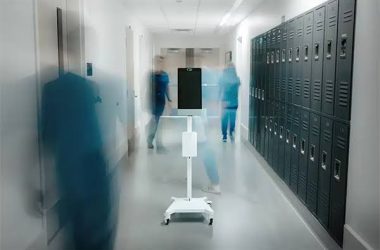
Emergency department overcrowding is a documented crisis in the United States healthcare system, with the average ED visit duration now exceeding 2.5 hours nationwide and boarding of admitted patients consuming capacity that reduces throughput for new arrivals. A significant proportion of ED visits are driven by conditions that do not require emergency-level care and that could be more effectively addressed in lower-acuity settings.
ACEP data indicates that approximately 27 percent of emergency department visits could be safely managed in a non-emergency setting, representing a substantial volume of episodic care that mobile integrated health programs are positioned to address by meeting patients where they are rather than requiring them to navigate to a facility.
What Mobile Integrated Health Programs Actually Deliver
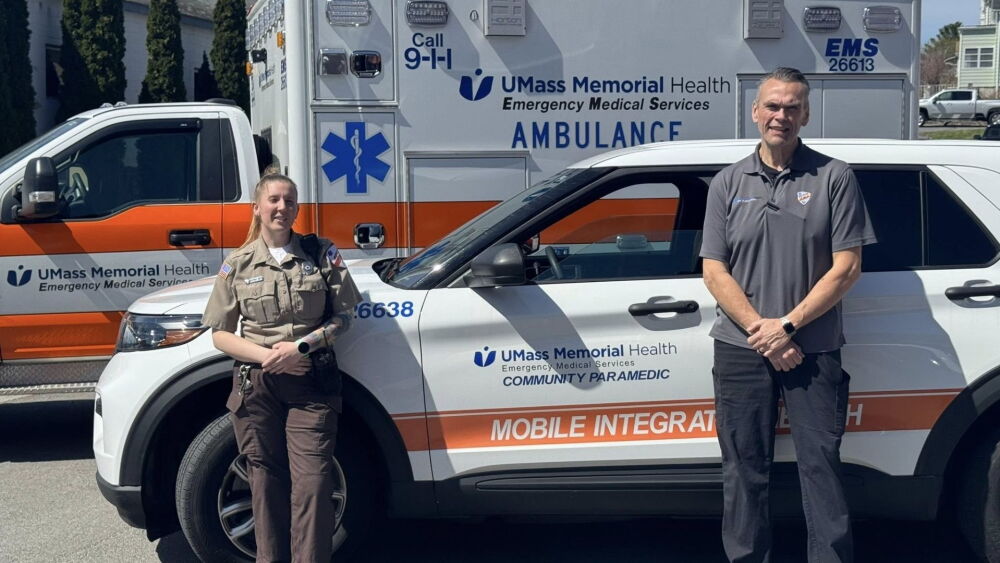
Mobile integrated health (MIH) programs deploy clinically trained personnel to patient locations to provide assessment, treatment, and care coordination for conditions that are better managed in the community than in an emergency department. These programs typically include paramedics with expanded clinical training, nurse practitioners, and in some models, physician oversight through telemedicine integration.
MIH programs address a range of conditions including hypertensive urgency management, hypoglycemia stabilization, minor laceration care, medication reconciliation for chronically ill patients, and post-discharge follow-up visits that reduce the readmission events that are both costly and harmful to patients.
How Outcome Data Supports Mobile Health Program Expansion
Published outcomes from established MIH programs show consistent reductions in ED utilization among enrolled high-frequency users, with some programs reporting 30 to 50 percent reductions in ED visits and associated hospitalization costs among the populations they serve. For communities where ED access currently serves as the primary care point of entry for underserved populations, a quality mobile integrated health solution creates an alternative pathway that improves care quality and reduces the financial strain that uncompensated emergency care places on health systems.
How MIH Programs Coordinate With Existing Healthcare Infrastructure
Effective MIH programs operate as integrated components of the broader healthcare system rather than standalone services. They maintain care coordination relationships with primary care providers, specialists, behavioral health services, and social service agencies that together address the full range of factors driving frequent emergency utilization.
What Technology Infrastructure Enables Mobile Health Delivery
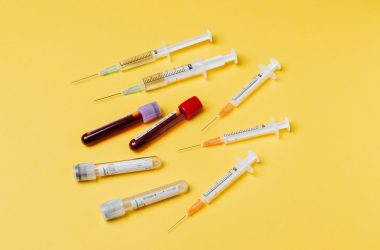
Mobile health delivery requires robust telemedicine connectivity, electronic health record integration that provides clinicians access to patient history at the point of care, secure communication with coordinating care team members, and remote diagnostic tools including point-of-care laboratory testing and vital sign monitoring capable of transmitting data to remote physicians.
Mobile integrated health programs represent one of the most evidence-supported interventions available for reducing emergency department overcrowding while improving outcomes for high-need patient populations. The data from established programs consistently demonstrate both clinical and financial benefits that justify continued investment in community-based mobile health infrastructure.