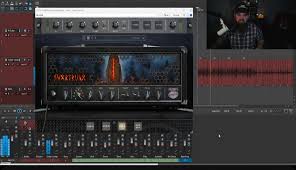
The modern metal scene demands extreme power, precision, and sonic aggression, and in this evolving landscape, the Deathcore Amp has become a defining tool for guitarists who want to achieve brutally heavy tones with clarity and control. From deep, earth-shaking chugs to razor-sharp high-gain distortion, this type of amplifier is designed specifically to handle the intensity of deathcore music. It blends raw power with advanced tone shaping, allowing musicians to create soundscapes that are both aggressive and technically precise.
What is a Deathcore Amp?
A deathcore amp is a high-gain amplifier designed to produce extremely heavy and aggressive guitar tones. It is commonly used in genres such as deathcore, metalcore, and extreme metal. These amplifiers are built to handle fast palm-muted riffs, complex breakdowns, and heavily distorted leads without losing clarity.
Unlike standard guitar amps, a deathcore amp focuses on tight low-end response, sharp mids, and controlled highs. This balance ensures that even at extreme distortion levels, the sound remains defined and powerful. The goal is not just loudness, but precision and impact.
Why Deathcore Guitar Tone Matters?
Tone is one of the most important elements in deathcore music. The genre relies heavily on rhythm-driven riffs, breakdowns, and fast technical passages. Without a proper amp, these elements can sound muddy or weak.
A high-quality deathcore amp ensures that every note cuts through the mix. The low end provides weight and heaviness, while the mids add aggression and clarity. The highs contribute bite and presence, helping guitar parts stand out even in dense mixes with drums and vocals.
For professional musicians, achieving the right tone is essential for both studio recordings and live performances.
How Does a Deathcore Amp Work?
A deathcore amp works by amplifying the guitar signal through multiple gain stages. These stages are designed to increase distortion while maintaining clarity and definition. The signal is shaped using preamp tubes or digital modeling systems depending on the amplifier type.
The preamp section is responsible for generating distortion and tone shaping. The power amp section then boosts the signal to deliver volume and punch. Many modern amps also include built-in noise gates to reduce unwanted hum and feedback, which is especially important in high-gain settings.
Equalization controls allow players to adjust bass, midrange, and treble frequencies to fine-tune their sound. This flexibility makes it possible to create a signature deathcore tone.
Key Features of a Deathcore Amp?
Deathcore amps come with several features designed to support extreme metal performance.
High gain distortion is the most important feature, allowing heavily saturated tones without losing clarity. Tight low-end response ensures that palm-muted riffs sound punchy and controlled.
Built-in noise reduction systems help eliminate unwanted background noise during high-gain use. Many amps also include multiple channels, allowing players to switch between clean tones and aggressive distortion instantly.
Some advanced models feature digital presets, enabling guitarists to save and recall custom tones. Effects loops are also common, allowing integration of pedals such as reverb, delay, and modulation without affecting core distortion quality.
Importance of Gain and Distortion Control?
Gain control is at the heart of any deathcore amp. Too much gain can lead to muddy sound, while too little can reduce impact. A well-designed amp allows precise adjustment of distortion levels.
Distortion in deathcore is not just about heaviness; it is about clarity under pressure. The best amps maintain note separation even during fast and complex riffs. This is especially important for breakdowns, where rhythm must remain tight and powerful.
Controlled distortion ensures that every guitar layer in a mix remains audible, even in dense musical arrangements.
Tone Shaping and Equalization?
Tone shaping is another critical aspect of deathcore amplifiers. Equalization controls allow musicians to sculpt their sound according to style and preference.
Boosting mids can help guitars cut through the mix, while adjusting bass frequencies adds depth and weight. Treble controls add brightness and aggression, especially useful for lead parts.
Some amps also include presence and resonance controls, which fine-tune high-end clarity and low-end punch. These adjustments help create a balanced yet aggressive tone suitable for professional recordings and live performances.
Role of Amplifier Modeling Technology?
Modern deathcore amps often use digital modeling technology to replicate classic and modern amplifier sounds. This allows guitarists to access multiple tonal options within a single unit.
Modeling technology uses software algorithms to simulate the behavior of analog circuits. This includes tube saturation, speaker response, and cabinet resonance.
The advantage of modeling amps is flexibility. Musicians can switch between different tones instantly without changing physical equipment. This makes them ideal for studio work and live performances where versatility is important.
Live Performance Power?
In live settings, a deathcore amp must deliver consistent power and reliability. High wattage output ensures that the guitar remains dominant even in loud environments.
Stage performance demands clarity at high volumes, and deathcore amps are designed to handle this challenge. Built-in noise suppression and feedback control systems help maintain clean sound even under extreme gain conditions.
Durability is also essential, as touring musicians require equipment that can withstand frequent transport and heavy use.
Recording Studio Applications?
In the studio, precision and clarity are more important than raw volume. Deathcore amps are widely used in recording environments because they provide controlled distortion and detailed tonal shaping.
Engineers often pair these amps with high-quality microphones and speaker cabinets to capture the full character of the guitar tone. Multiple layers of guitar tracks can be recorded using different settings to create a dense and powerful mix.
The ability to fine-tune tone makes deathcore amps essential tools for professional metal production.
Pedal Integration and Effects?
Many guitarists enhance their deathcore tone using external pedals. Overdrive pedals can tighten the low end, while delay and reverb add depth to lead sections.
Noise gate pedals are particularly important in high-gain setups to eliminate unwanted noise between notes. Equalizer pedals can further refine tone shaping beyond the amplifier’s built-in controls.
The effects loop feature in many amps allows pedals to be placed after preamp distortion, preserving clarity and signal integrity.
Maintenance and Longevity?
Proper maintenance is important for keeping a deathcore amp in optimal condition. Regular cleaning of input jacks and controls ensures consistent performance.
For tube-based amps, periodic replacement of vacuum tubes may be required to maintain tone quality. Solid-state and digital amps require less maintenance but should still be protected from dust, moisture, and overheating.
Proper storage and careful handling during transport can significantly extend the lifespan of the amplifier.
Future of Deathcore Amplification?
The future of deathcore amps is closely tied to advancements in digital audio technology. Artificial intelligence and machine learning are being used to create smarter tone-shaping systems that adapt to playing style.
Wireless connectivity, app-based controls, and cloud-based tone sharing are becoming more common. These innovations allow guitarists to customize and share tones instantly.
Hybrid amplifiers that combine analog warmth with digital precision are expected to dominate future designs, offering the best of both worlds.
Conclusion
The Deathcore Amp is more than just an amplifier; it is a powerful tool that defines the sound of modern extreme metal. By combining high-gain distortion, precise tone shaping, and advanced technology, it allows musicians to achieve crushing riffs and professional-quality sound.
From live performances to studio recordings, these amps deliver the power and clarity needed for today’s aggressive music styles. As technology continues to evolve, deathcore amplification will become even more versatile, precise, and essential for metal guitarists worldwide.