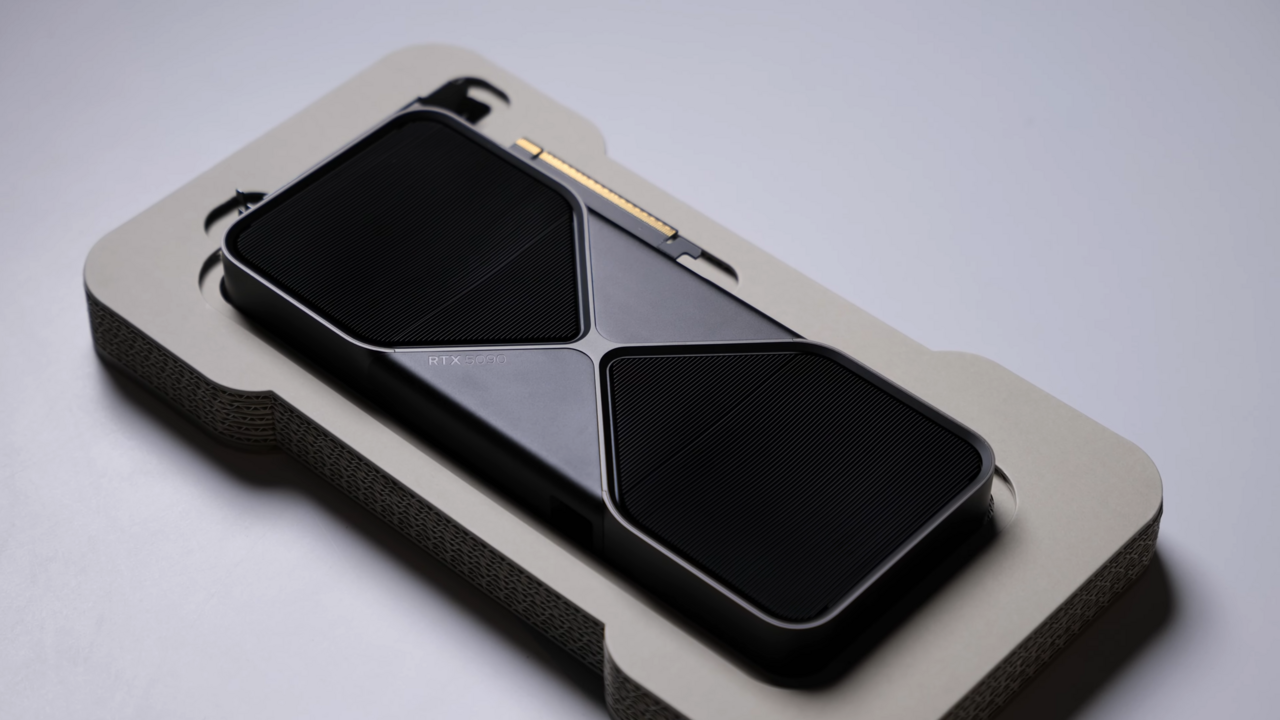
RTX 5090 end-of-life rumors are swirling as Micro Center reportedly drops the graphics card from its catalog. This development raises concerns among gamers and tech enthusiasts alike.
What Does End-of-Life Mean for RTX 5090?
The term end-of-life refers to the point at which a product is no longer supported or manufactured by the company. In the case of the RTX 5090, this means that NVIDIA may cease production and stop providing updates or customer support for the graphics card. This situation has raised concerns among gamers and enthusiasts alike, especially as rumors circulate about its potential discontinuation.
As reported by various sources, including a recent announcement from Micro Center, the RTX 5090 has reportedly been dropped from their catalog, sparking discussions about its end-of-life status. This decision could indicate a shift in NVIDIA’s focus toward newer technologies and graphics cards, leaving current RTX 5090 owners and potential buyers in a state of uncertainty.
Some implications of the RTX 5090’s end-of-life status include:
- Decreased Availability: As production halts, finding new units might become increasingly challenging.
- Loss of Support: Gamers may no longer receive driver updates or technical assistance from NVIDIA.
- Impact on Value: The value of the RTX 5090 could decrease significantly in the resale market.
Overall, the end-of-life status of the RTX 5090 raises critical questions about the future of gaming graphics and the direction NVIDIA will take moving forward.
Micro Center’s Decision Explained
Micro Center’s recent decision to drop the RTX 5090 from its catalog has sent shockwaves through the gaming community. This move has been interpreted as a significant indicator of the card’s impending end-of-life, raising concerns among enthusiasts and casual gamers alike.
Several factors contributed to this decision, which Micro Center has not publicly detailed. However, industry analysts speculate that the declining availability of the RTX 5090, coupled with a shift in consumer interest toward newer graphics technologies, played a crucial role. As the market evolves, retailers often reevaluate their inventory to align with current trends and customer demand.
In addition to the withdrawal from retail shelves, reports suggest that manufacturers may be scaling back production. This raises questions about the long-term support for the RTX 5090, particularly as gamers invest heavily in high-performance hardware. The possibility of limited future updates or driver support adds to the uncertainty surrounding the card.
Ultimately, Micro Center’s decision reflects a broader trend in the tech industry where rapid advancements can render products obsolete in a short time. As the RTX 5090 approaches its end-of-life, gamers must weigh their options carefully. The question now is whether the remaining stock will sell out quickly, leaving many to scramble for alternatives in the increasingly competitive graphics card market.
Impact on Gamers and Developers
The announcement regarding the RTX 5090 end-of-life has sent shockwaves through the gaming community, leaving many gamers and developers to ponder its implications. As one of the latest additions to the NVIDIA graphics card lineup, the RTX 5090 was anticipated to deliver cutting-edge performance and advanced features. However, its premature discontinuation raises significant concerns.
For gamers, the end-of-life status means:
- Limited Availability: With retailers like Micro Center dropping the RTX 5090 from their catalogs, securing this GPU may become increasingly difficult, driving prices up in secondary markets.
- Compatibility Issues: Developers who optimized their games for the RTX 5090 may need to reconsider their approaches, as the end-of-life status can hinder ongoing support and updates.
- Performance Gaps: Gamers relying on the RTX 5090 for high-resolution gaming may face challenges if they are forced to switch to older models that lack the same performance capabilities.
Developers, on the other hand, may experience:
- Development Delays: The rapid shift in hardware support could slow down game updates and new releases, as developers scramble to adapt.
- Investment Concerns: Financial implications arise as studios must navigate the uncertain landscape of hardware availability and support.
Ultimately, the RTX 5090 end-of-life could reshape the future of gaming hardware, leaving many to question what comes next.
Future of NVIDIA Graphics Cards
As the RTX 5090 approaches its end-of-life, the future of NVIDIA graphics cards is becoming a subject of intense speculation among gamers and industry experts alike. With Micro Center’s recent decision to drop the RTX 5090 from its catalog, many are left wondering what this means for upcoming models and the overall direction of NVIDIA’s graphic solutions.
Historically, NVIDIA has followed a predictable release cycle, introducing new architectures roughly every two years. However, with the rapid advancements in technology and growing competition from AMD and other players, it’s possible that NVIDIA may consider accelerating its timeline for the next generation of graphics cards. This could lead to a more frequent replacement cycle, allowing gamers to experience cutting-edge technology sooner.
Moreover, the end-of-life status of the RTX 5090 could signal NVIDIA’s focus on optimizing performance and energy efficiency in its upcoming models. Industry insiders suggest that the next iteration may be designed to handle higher resolutions and faster refresh rates, catering to the needs of competitive gamers.
In light of these changes, NVIDIA’s roadmap will be closely watched by enthusiasts. The RTX 5090’s end-of-life may not just mark the conclusion of one product but could also pave the way for innovations that redefine gaming experiences in the near future.
- Potential new models on the horizon
- Focus on efficiency and performance
- Impact of competition on release schedules
Community Reactions to the News
The recent announcement regarding the RTX 5090 end-of-life has stirred a significant reaction within the gaming community. Many gamers and tech enthusiasts took to social media platforms to express their thoughts and concerns about the implications of this decision.
- Disappointment: A common sentiment among gamers is disappointment, as many had high hopes for the RTX 5090’s capabilities and performance. Users had anticipated that this graphics card would set new standards in gaming.
- The Future of Gaming: Some community members are worried about how the end-of-life status will affect future game development. They fear that support and optimization for this powerful card may dwindle, impacting performance in upcoming titles.
- Marketplace Concerns: Others highlighted concerns about the resale market, noting that the value of the RTX 5090 could plummet as it becomes obsolete. This change may deter potential buyers who are uncertain about investing in a graphics card with a limited lifespan.
- Speculation on Alternatives: As discussions ensue, many are speculating about what will come next from NVIDIA. Questions about whether a new line of graphics cards will emerge soon have sparked debates among enthusiasts, with hopes for improved technology on the horizon.
Overall, the community’s reactions reflect a mix of frustration and curiosity regarding the future of high-end gaming graphics.
The RTX 5090 end-of-life has left many gamers wondering what the future holds for high-performance graphics cards. As manufacturers shift their focus to newer models, the implications of the RTX 5090 end-of-life could significantly impact gaming performance and accessibility.
via Wikimedia Commons