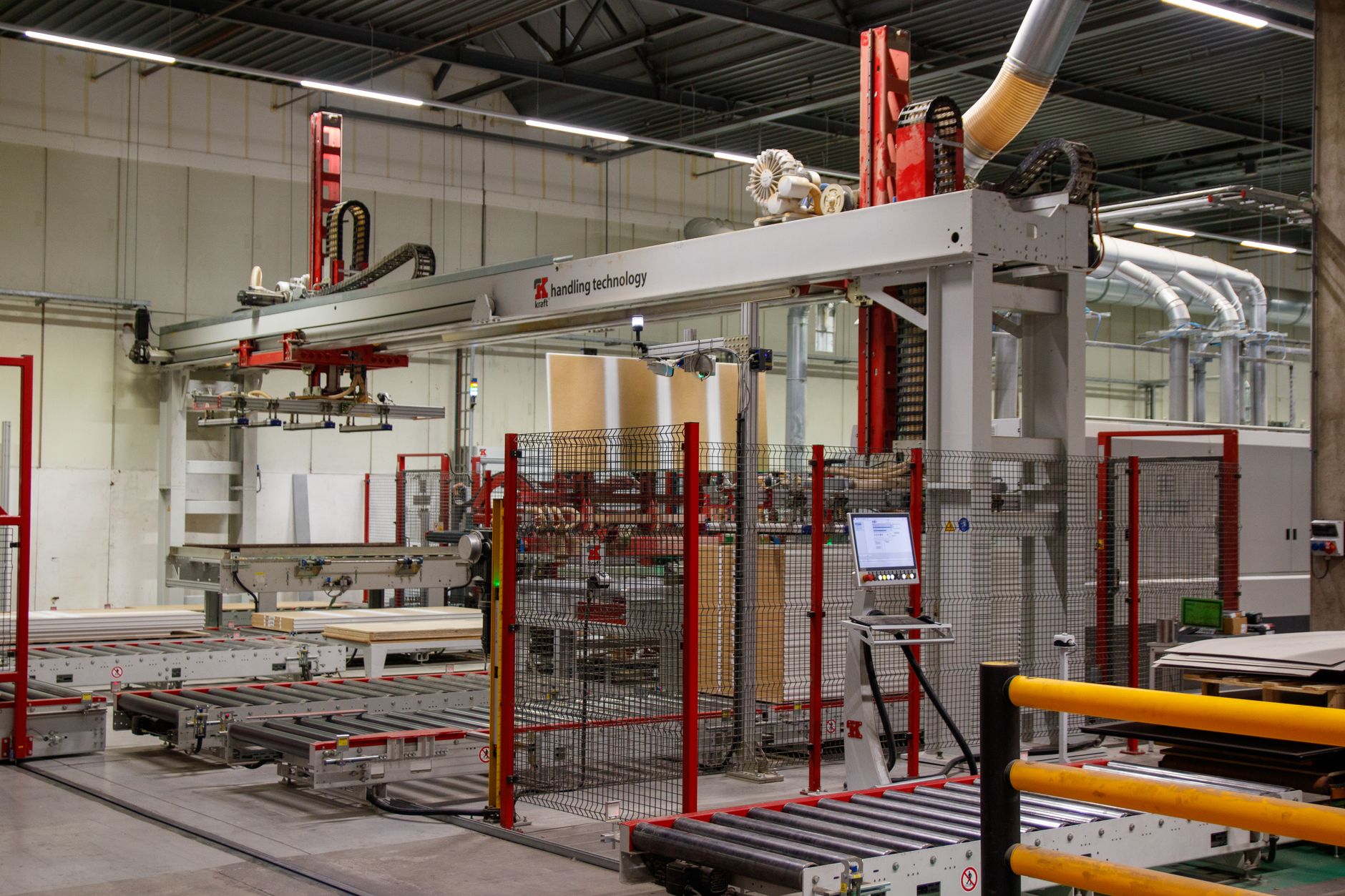
wall-finishing robots are making waves in the construction industry, thanks to a recent $20 million funding round. This investment aims to enhance efficiency and precision on job sites.
What are Wall-Finishing Robots?
Wall-finishing robots are innovative machines designed to automate the process of finishing walls in construction projects. These robots utilize advanced technology to apply textures, paint, and finishes with precision and efficiency, significantly reducing the need for manual labor.
Typically employed in large-scale construction sites, wall-finishing robots are equipped with features that allow them to:
- Enhance quality: By ensuring consistent application of materials, these robots minimize human error and improve the overall finish.
- Increase productivity: Wall-finishing robots can work continuously, speeding up the finishing process and allowing for faster project completion.
- Reduce labor costs: With automation taking over repetitive tasks, the reliance on a large workforce is diminished, translating to substantial savings.
As the construction industry evolves, wall-finishing robots like those developed by Origin represent a significant advancement, promising to transform traditional building practices and ultimately leading to a proven $20 million boost for construction companies.
The Impact of Robotics on Construction
The construction industry is experiencing a significant transformation with the introduction of wall-finishing robots. These advanced machines are designed to streamline the wall finishing process, reducing both time and labor costs. As companies like Origin secure substantial funding, the implications for the construction sector are profound.
Robotics in construction offers numerous benefits:
- Increased Efficiency: Wall-finishing robots can complete tasks faster than human workers, allowing projects to progress more rapidly.
- Consistency and Quality: With precision technology, these robots ensure uniform finishes, minimizing the risk of human error.
- Cost Savings: By reducing labor costs and time delays, companies can save significant amounts, as evidenced by Origin’s successful funding round.
- Enhanced Safety: Automating strenuous tasks decreases the likelihood of workplace injuries, making construction sites safer for workers.
As the adoption of wall-finishing robots expands, the construction industry stands to gain from increased productivity and improved project outcomes.
Funding Breakdown: $20 Million Explained
The recent funding round has highlighted the growing interest in wall-finishing robots, with a total of $20 million raised to enhance their development and deployment in the construction industry. This financial boost aims to address several key areas:
- Research and Development: A significant portion of the funding will be allocated to advancing the technology behind wall-finishing robots, ensuring they are equipped with the latest automation and precision capabilities.
- Manufacturing Expansion: The investment will facilitate the expansion of manufacturing facilities, allowing for increased production rates to meet the rising demand in the construction sector.
- Market Adoption: Funds will also support marketing efforts to educate potential clients about the benefits of incorporating wall-finishing robots into their projects, emphasizing efficiency and cost-effectiveness.
- Training Programs: A portion of the funding will be dedicated to developing training programs for workers to effectively integrate these robots into existing workflows.
This strategic allocation of resources positions wall-finishing robots as a transformative force in modern construction.
Benefits of Automation in Building
The integration of wall-finishing robots into construction processes presents several key benefits that can significantly enhance productivity and efficiency. By automating the finishing process, these robots minimize the risk of human error, ensuring a consistent and high-quality finish on walls.
Moreover, the use of wall-finishing robots allows construction teams to allocate resources more effectively. With robots handling repetitive and time-consuming tasks, skilled workers can focus on more complex and demanding aspects of the project. This shift not only increases overall output but also enhances job satisfaction among workers, as they engage in more meaningful work.
Additionally, wall-finishing robots contribute to safety on construction sites. By taking over hazardous tasks, they reduce the likelihood of accidents and injuries, creating a safer working environment. Ultimately, the adoption of automation in building not only boosts efficiency but also supports a culture of safety and quality in the construction industry.
Challenges Faced by Construction Robots
Despite the promising advancements in wall-finishing robots, several challenges persist in their integration into construction practices. One significant hurdle is the initial cost associated with acquiring and maintaining these robots. Companies must weigh the benefits against the upfront investment, which can deter smaller firms from adopting the technology.
Additionally, skilled labor shortages pose a concern. As wall-finishing robots handle specific tasks, there is a need for workers who can operate, maintain, and troubleshoot these machines. The transition from traditional methods to robotic solutions requires training, which can be time-consuming and costly.
Moreover, job displacement fears among workers can create resistance to adopting wall-finishing robots. Addressing these concerns is crucial for fostering a collaborative environment between human labor and automated solutions. Lastly, ensuring these robots can adapt to various construction environments and regulations remains a technical challenge. As the industry evolves, overcoming these obstacles will be essential for the widespread adoption of wall-finishing robots.
Future of Robotics in Construction
The future of robotics in construction looks promising, particularly with the introduction of wall-finishing robots. As companies like Origin lead the charge with significant funding, the construction industry is poised for a technological transformation that could reshape traditional practices.
Automation is expected to play a crucial role in increasing productivity and reducing labor costs. Wall-finishing robots can perform tasks with precision and speed that are difficult to achieve with manual labor alone. This shift not only enhances the quality of work but also allows human workers to focus on more complex tasks that require creative problem-solving skills.
Moreover, as these robots become more advanced, we may witness improvements in safety on construction sites. By taking over hazardous tasks, wall-finishing robots can help minimize accidents and injuries, leading to a healthier work environment.
In summary, the integration of robotics into the construction sector heralds a new era, where efficiency, safety, and quality are heightened, paving the way for sustained growth and innovation.
How Origin Plans to Use the Investment
Origin plans to strategically deploy the recent $20 million investment to enhance the development and distribution of wall-finishing robots across various construction sites. The company aims to streamline the application of automated technologies, ensuring that these robots can handle the intricate tasks involved in wall finishing with precision and efficiency.
Key steps in their strategy include:
- Research and Development: A significant portion of the funds will be allocated to improving the existing technology behind wall-finishing robots, focusing on increasing their adaptability to different wall surfaces and construction environments.
- Partnerships: Origin plans to forge partnerships with leading construction firms to pilot the deployment of these robots in real-world projects, allowing for effective feedback and adjustments.
- Training and Support: The investment will also be used to create comprehensive training programs for construction workers, ensuring they can efficiently operate and maintain these advanced robots.
Through these initiatives, Origin aims to revolutionize the construction industry and significantly reduce project timelines while enhancing overall quality.
Photo by Freek Wolsink on Pexels
References
Related reading
USB-C cable brands: The Best and Worst Ranked · Virginia Football Live Updates: Quick Insights and Notes · When Sirens Fall Silent: The Best Proven Horror Game Release