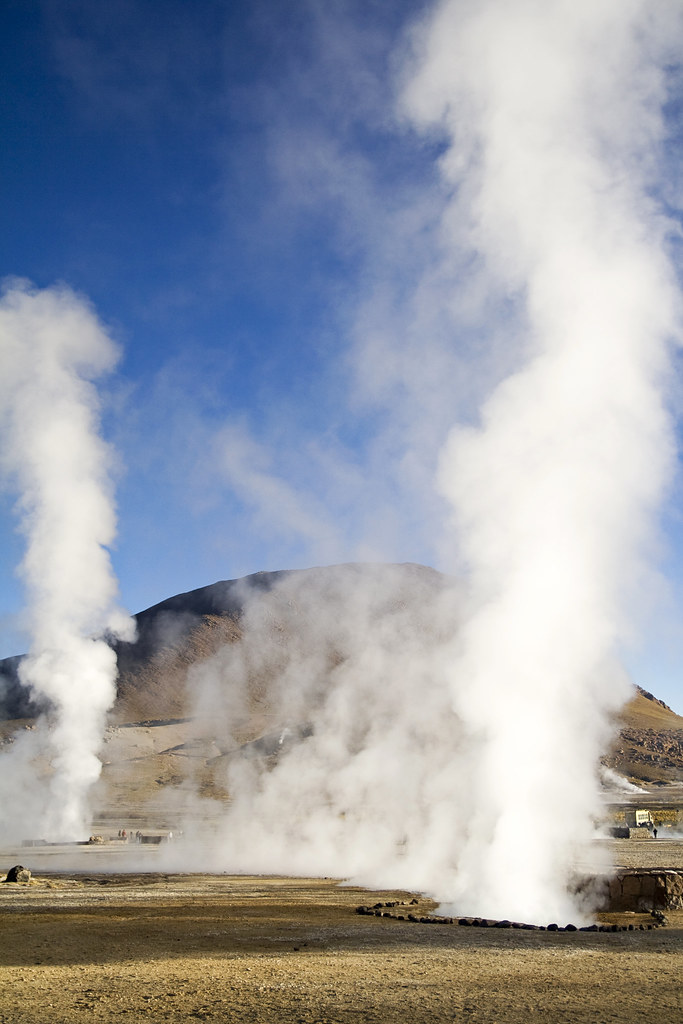
explosive volcanic eruption evidence has been discovered in the Pacific trench, marking a significant advancement in our understanding of deep-sea volcanic activity. This groundbreaking finding offers new insights into the nature of these powerful geological events.
What is an explosive volcanic eruption?
An explosive volcanic eruption is a sudden and violent release of energy from a volcano, characterized by the expulsion of ash, gas, and molten rock into the atmosphere. These eruptions can have devastating effects on the surrounding environment and human populations.
Typically, explosive eruptions occur in stratovolcanoes, where magma is thick and viscous, allowing pressure to build up over time. When this pressure finally exceeds the strength of the rock above, it results in a dramatic eruption.
The evidence of the deepest explosive volcanic eruption has recently been discovered in a Pacific trench, providing scientists with valuable insights into the processes behind these powerful geological events. This discovery highlights several key features:
- The role of water in reducing the melting point of magma.
- The potential for significant ash fallout, which can affect air quality and climate.
- The impact on marine ecosystems due to the release of sulfur and other gases.
Understanding the mechanisms and aftermath of explosive volcanic eruptions is crucial for improving disaster preparedness and mitigating risks associated with these natural phenomena.
Recent discoveries in the Pacific trench
Recent discoveries in the Pacific trench have shed light on the phenomenon of explosive volcanic eruptions. Scientists have uncovered evidence of an ancient eruption that occurred at an extraordinary depth, providing insights into the mechanisms and impacts of such violent geological events.
The findings were made possible through advanced submersible technology, allowing researchers to explore previously unreachable areas of the trench. They discovered:
- Unique rock formations: These rocks showed signs of extreme pressure and heat, indicating they were formed during a powerful explosive volcanic eruption.
- Tephra deposits: Layers of volcanic ash were found, suggesting that the eruption had a significant reach and impact on the surrounding marine environment.
- Geochemical signatures: Analysis of the minerals revealed unusual compositions, hinting at the eruption’s source and the processes involved.
This groundbreaking research not only deepens our understanding of explosive volcanic eruptions but also raises questions about their potential effects on climate and ocean ecosystems. As exploration continues, more evidence may emerge, leading to a better understanding of these powerful natural phenomena.
Implications of volcanic eruptions on marine life
The implications of an explosive volcanic eruption extend far beyond terrestrial landscapes, significantly affecting marine ecosystems. Such eruptions can release vast amounts of ash, gases, and molten materials into the ocean, altering the delicate balance of marine life.
Key impacts on marine ecosystems include:
- Water Temperature Changes: Eruptions can heat surrounding waters, leading to thermal shock for many marine organisms.
- Oxygen Depletion: The introduction of volcanic materials can decrease oxygen levels in the water, affecting fish and other aquatic species.
- Acidification: Volcanic gases, such as sulfur dioxide, can dissolve in seawater, leading to increased acidity which harms coral reefs and shellfish.
- Habitat Destruction: The deposition of ash and debris on the ocean floor can bury vital habitats, leading to a loss of biodiversity.
Research following the recent discoveries in the Pacific trench shows that even distant volcanic activity can have profound effects on marine food webs. Understanding the repercussions of explosive volcanic eruptions is crucial for the conservation of marine environments and the species that inhabit them.
How do scientists study deep-sea eruptions?
Scientists employ various innovative techniques to study deep-sea eruptions, particularly those characterized as explosive volcanic eruptions. One primary method involves using remotely operated vehicles (ROVs) that can dive to extreme ocean depths, capturing high-resolution images and collecting samples from the ocean floor.
In addition to ROVs, researchers utilize sonar mapping to create detailed topographical maps of the seafloor, helping to identify volcanic structures and assess the extent of past eruptions. These maps can reveal the signatures of explosive events, giving insights into their frequency and impact.
Another important technique is submersible sampling, where scientists retrieve rock and sediment samples to analyze the chemical composition and age of volcanic deposits. This analysis helps to determine the eruption’s history and its potential hazards.
Furthermore, scientists monitor gas emissions from underwater volcanoes, which can indicate ongoing volcanic activity and provide clues about the eruption mechanism. By combining geological and geophysical data, researchers can better understand the dynamics of explosive volcanic eruptions and their effects on surrounding ecosystems.
Future research directions in volcanology
The study of explosive volcanic eruptions continues to evolve, with future research directions aimed at uncovering deeper insights into their mechanics and impacts. Scientists are particularly interested in the relationship between explosive eruptions and climate change, as these events can release significant amounts of ash and gases into the atmosphere.
To further this understanding, researchers are focusing on several key areas:
- Geochemical Analysis: Investigating the chemical composition of volcanic materials can provide clues about the eruption’s intensity and potential hazards.
- Remote Sensing: Utilizing satellite technology to monitor volcanic activity offers a real-time perspective on eruption patterns and their effects on surrounding environments.
- Deep-Sea Exploration: As evidenced by recent findings in the Pacific trench, exploring underwater volcanoes can reveal new data about explosive volcanic eruptions and their interactions with marine ecosystems.
- Modeling Eruption Scenarios: Developing advanced simulations helps predict the outcomes of potential eruptions, aiding in disaster preparedness and risk assessment.
By pursuing these research directions, scientists hope to gain a comprehensive understanding of explosive volcanic eruptions and their far-reaching consequences.
The study of past explosive volcanic eruptions reveals the catastrophic impact they can have on the environment and human populations. Researchers are continually searching for the worst evidence found from these explosive volcanic eruptions to better understand their destructive power.
By Dimitry B via Openverse
Where this came from
Startup funding roundup: Best deals you may have missed · Dark Matter Core: The Clear Challenge to Cosmological Models · A Song of Ice and Fire Tactics: The Best Strategy Guide