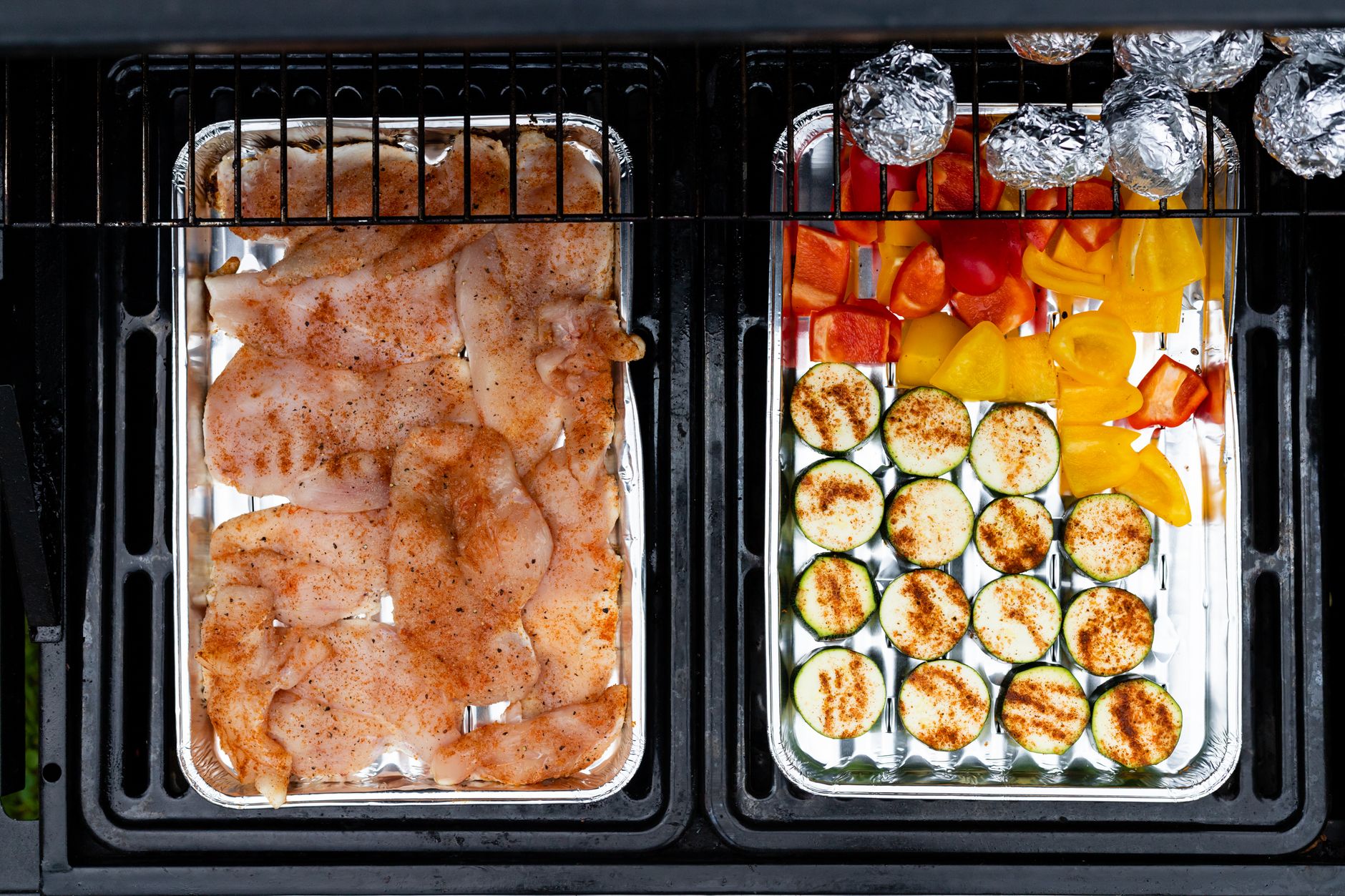
Aluminum foil sides are often overlooked by many. Understanding the distinct purposes of each side can enhance your cooking and food storage techniques.
Understanding Aluminum Foil
Aluminum foil is a kitchen staple that many people use without fully understanding its properties. One of the most intriguing aspects of aluminum foil is its two distinct sides: the shiny side and the dull side. These sides are a result of the manufacturing process, where the foil is rolled out in layers, and the outer layers become shiny while the inner layers retain a dull finish.
Despite common myths, both sides of aluminum foil can be used interchangeably in cooking and food storage. However, there are some subtle differences that can affect cooking outcomes. The shiny side reflects heat, which may help to retain warmth or cook food more evenly, while the dull side absorbs heat, potentially leading to a different cooking result.
When utilizing aluminum foil sides in your kitchen, consider the following:
- Food Storage: Both sides provide an airtight seal, but the shiny side can help keep food warmer for longer.
- Cooking: For baking, placing food on the shiny side can enhance browning due to heat reflection.
- Grilling: Using the dull side may help prevent sticking when grilling delicate items.
Understanding the nuances of aluminum foil sides can elevate your cooking techniques and enhance your food preparation skills.
The Science Behind Aluminum Foil
Aluminum foil, a staple in many kitchens, has two distinct sides: the shiny side and the dull side. This differentiation often leads to questions about their specific uses and whether one side is better than the other. The science behind aluminum foil lies in its manufacturing process, which results in the two surfaces.
During production, aluminum is rolled into thin sheets, and the final pass creates the shiny surface. This shiny side reflects more light and heat, while the dull side absorbs it. However, when it comes to practical applications, the difference in performance between the two sides is minimal.
Here are some common uses for both sides of aluminum foil:
- Cooking: When wrapping food, either side can be used. However, using the shiny side facing the food may provide slightly better heat retention.
- Freezing: The dull side is often recommended for wrapping food for the freezer, although both sides serve the purpose well.
- Grilling: Placing the shiny side out can help reflect heat onto the food, enhancing cooking efficiency.
In conclusion, while many may wonder about aluminum foil sides, both serve their purpose effectively. Understanding their properties can help you make informed choices in the kitchen.
Common Misconceptions
Many people believe that the two sides of aluminum foil serve distinct purposes, but this is a common misconception. In reality, both sides of aluminum foil are made from the same material and can be used interchangeably in most situations. The difference in appearance—one side being shiny and the other more matte—is a result of the manufacturing process, specifically how the foil is rolled during production.
Some individuals think that the shiny side should always face outward when wrapping food to retain heat or prevent sticking. However, studies have shown that whether you use the shiny side or the dull side does not significantly affect the cooking process or food preservation. The aluminum foil sides can perform equally well in both functions.
Another misconception is that one side is more effective for certain tasks, such as grilling or baking. While it is true that specific applications might benefit from using one side over the other, it is generally a matter of personal preference rather than a strict rule. Therefore, when using aluminum foil sides, you can confidently choose whichever side you prefer without worrying about compromising your cooking results.
In summary, understanding the truth about aluminum foil sides can help dispel myths and encourage more effective use of this versatile kitchen staple.
How to Use Each Side
When it comes to aluminum foil sides, many people are unaware of the specific uses for each side. Understanding how to use each side can enhance your cooking and food storage practices.
The shiny side of aluminum foil is often believed to be the more effective side for cooking. This side reflects heat, making it ideal for wrapping foods that you want to keep warm or for covering dishes in the oven. When using the shiny side, you can maximize heat retention, ensuring that your meals cook evenly.
On the other hand, the dull side is slightly more absorbent and is often recommended for use when wrapping foods to store in the refrigerator or freezer. The dull side can help prevent moisture loss, keeping your food fresher for a longer period. However, the difference in performance between the two sides is minimal and often does not affect cooking outcomes significantly.
- Shiny side: Best for cooking and reflecting heat.
- Dull side: Ideal for food storage, helping retain moisture.
In conclusion, both aluminum foil sides have their unique advantages. By using them appropriately, you can improve your culinary results and preserve food more effectively.
Practical Applications
When it comes to aluminum foil sides, many users are unaware of the versatile applications that can enhance their cooking and storage methods. Here are some practical applications you might not know:
- Cooking and Baking: The shiny side of aluminum foil reflects heat, making it ideal for baking tasks, while the dull side is better for cooking meats, as it retains heat. This can ensure even cooking and crispiness.
- Food Storage: Wrapping leftovers in aluminum foil helps keep them fresh. Use the shiny side facing inward to retain moisture, or the dull side for breathable wrapping when you want to prevent sogginess.
- Grilling: When grilling vegetables or delicate fish, using the shiny side up can help prevent sticking and promote even cooking. Just wrap the food tightly to create a steam effect.
- Craft Projects: Beyond the kitchen, aluminum foil can be used in arts and crafts. The two sides can create different finishes, allowing for unique textures in projects.
- Insulation: Aluminum foil sides can be used in DIY insulation projects as it reflects heat and can be used in combination with other materials to create energy-efficient solutions.
Understanding these practical applications of aluminum foil sides can elevate your culinary skills and everyday tasks.
Expert Tips on Foil Use
When it comes to aluminum foil sides, many users remain unaware of the best practices that can enhance their cooking and storage experiences. Here are some expert tips to maximize the benefits of aluminum foil:
- Shiny Side for Cooking: The shiny side of aluminum foil reflects heat and helps to cook food evenly. Use this side when wrapping items that require a more gentle cooking process, such as baked potatoes or delicate fish.
- Dull Side for Food Storage: The dull side is more porous and can absorb moisture. For storing food, especially leftovers, use the dull side facing the food to prevent moisture buildup.
- Double Layering: For items that need extra protection, consider using two layers of aluminum foil. This can help keep foods fresher longer and protect them from freezer burn.
- Grilling Tips: When grilling, place the food on the shiny side of the foil to help achieve that perfect char without sticking.
- Creative Uses: Beyond cooking, aluminum foil can be used for arts and crafts, as a makeshift funnel, or even to sharpen scissors.
By understanding these tips related to aluminum foil sides, you can elevate your culinary skills and ensure better results in the kitchen.
Conclusion: Making the Most of Aluminum Foil
In conclusion, understanding the various uses of aluminum foil sides can significantly enhance your cooking and food storage practices. While many individuals may rely on aluminum foil primarily for wrapping food, its potential goes far beyond this basic function.
By utilizing the shiny side of aluminum foil for certain cooking methods, such as roasting vegetables or baking, you can maximize heat reflection and achieve even cooking results. Conversely, the dull side is ideal for tasks like food storage, where it can help retain moisture and freshness. Recognizing the distinct properties of each side allows for more effective use in everyday kitchen tasks.
Moreover, aluminum foil can be repurposed in various creative ways. Here are a few practical applications:
- Heat retention: Use the shiny side when wrapping hot dishes to maintain warmth.
- Grilling: Line grill grates with the dull side facing out to prevent food from sticking.
- Crafting: Create molds or shapes for arts and crafts projects.
- Cleaning: Crumple up foil to scrub pots and pans effectively.
By tapping into the full potential of aluminum foil sides, you can make your kitchen experiences more efficient and enjoyable.
Photo by Mateusz Feliksik on Pexels