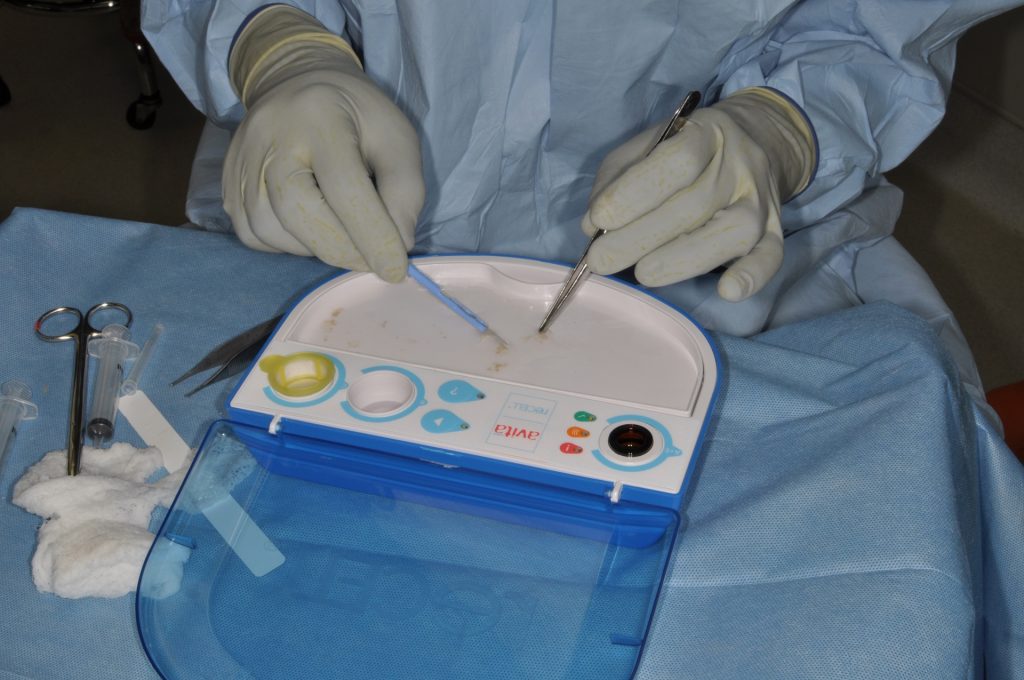
Surgical excellence involves more than performing a technically successful procedure. It begins with understanding the patient’s condition, identifying the appropriate treatment pathway, and creating a plan that balances clinical needs with individual circumstances. The philosophy associated with Dr. Thanapoom Boonipat highlights how thoughtful preparation and patient-centered communication can support a comprehensive surgical experience. From initial consultation through recovery, each stage provides an opportunity to promote safety, clarity, and informed participation.
In This Article
- Careful Evaluation Before Treatment
- Balancing Intervention With Individual Needs
- Precision and Preparation in the Operating Room
- Communication as Part of Treatment
- Evaluating Recovery and Clinical Outcomes
- Building Trust Through Professional Practice
Careful Evaluation Before Treatment
The foundation of responsible surgery is a detailed clinical evaluation. A surgeon must understand the patient’s symptoms, medical background, diagnostic findings, and treatment history before recommending an intervention. This process helps establish whether surgery is appropriate and clarifies the goals that treatment should address.
A complete evaluation can also identify factors that may affect preparation or recovery. Reviewing relevant medical information before surgery allows the clinical team to plan more effectively and address concerns before they become obstacles.
Balancing Intervention With Individual Needs
Surgery should be considered within the wider context of patient care. Different conditions may have several possible management strategies, and the most suitable choice depends on clinical circumstances. The philosophy represented by Dr. Thanapoom Boonipat places importance on thoughtful decision-making rather than relying on a single approach for every patient.
Individualized planning means considering the patient’s symptoms, functional expectations, lifestyle, general health, and understanding of treatment. When patients receive clear explanations, they are better positioned to participate meaningfully in decisions about their care.
Precision and Preparation in the Operating Room
Once surgery is selected, preparation becomes an important component of the process. Surgical teams work through established protocols to ensure that relevant information, equipment, procedural plans, and safety considerations are addressed.
Precision during surgery requires knowledge of anatomy, controlled technique, attention to detail, and effective coordination among members of the medical team. These factors contribute to a structured environment where each step is approached with appropriate care.
Communication as Part of Treatment
A successful patient experience depends heavily on communication. Patients often have questions about procedures, recovery, discomfort, activity restrictions, and follow-up. Addressing these questions clearly can reduce uncertainty and encourage realistic expectations.
Communication should continue after surgery. Follow-up appointments provide opportunities to evaluate healing, discuss symptoms, assess progress, and modify care when necessary. This continuity reinforces the idea that surgical treatment does not end when the procedure is completed.
Evaluating Recovery and Clinical Outcomes
Outcome assessment provides valuable information about the effectiveness of treatment. Recovery can be considered through several practical indicators, including symptom improvement, functional progress, healing, and the patient’s ability to return gradually to appropriate activities.
Monitoring these factors helps clinicians identify concerns and make informed decisions about continued care. It also contributes to a culture of quality improvement in which clinical experiences can inform future treatment planning.
Building Trust Through Professional Practice
Trust is developed when patients feel that their concerns are heard and their treatment decisions are explained responsibly. The surgical approach associated with Dr. Thanapoom Boonipat illustrates the value of combining technical knowledge with careful communication and individualized planning.
Modern surgical practice benefits from a balanced philosophy that recognizes both the science and the human side of medicine. Thorough assessment, precise technique, patient education, and structured follow-up create a comprehensive framework for care. When these principles work together, surgical treatment becomes more than a procedure; it becomes a carefully managed clinical journey centered on safety, informed decisions, and meaningful recovery.
Key Points
- Surgical excellence involves understanding the patient’s condition and creating a balanced treatment plan.
- A detailed clinical evaluation is essential for establishing the appropriateness of surgery and its goals.
- Thoughtful decision-making and individualized planning are crucial components of effective surgical care.
- Effective communication with patients plays a significant role in ensuring they have realistic expectations and can participate in their care.
- Recovery assessment includes monitoring symptom improvement and functional progress to inform future treatment decisions.
- Trust is built through responsible communication and addressing patient concerns during the surgical process.