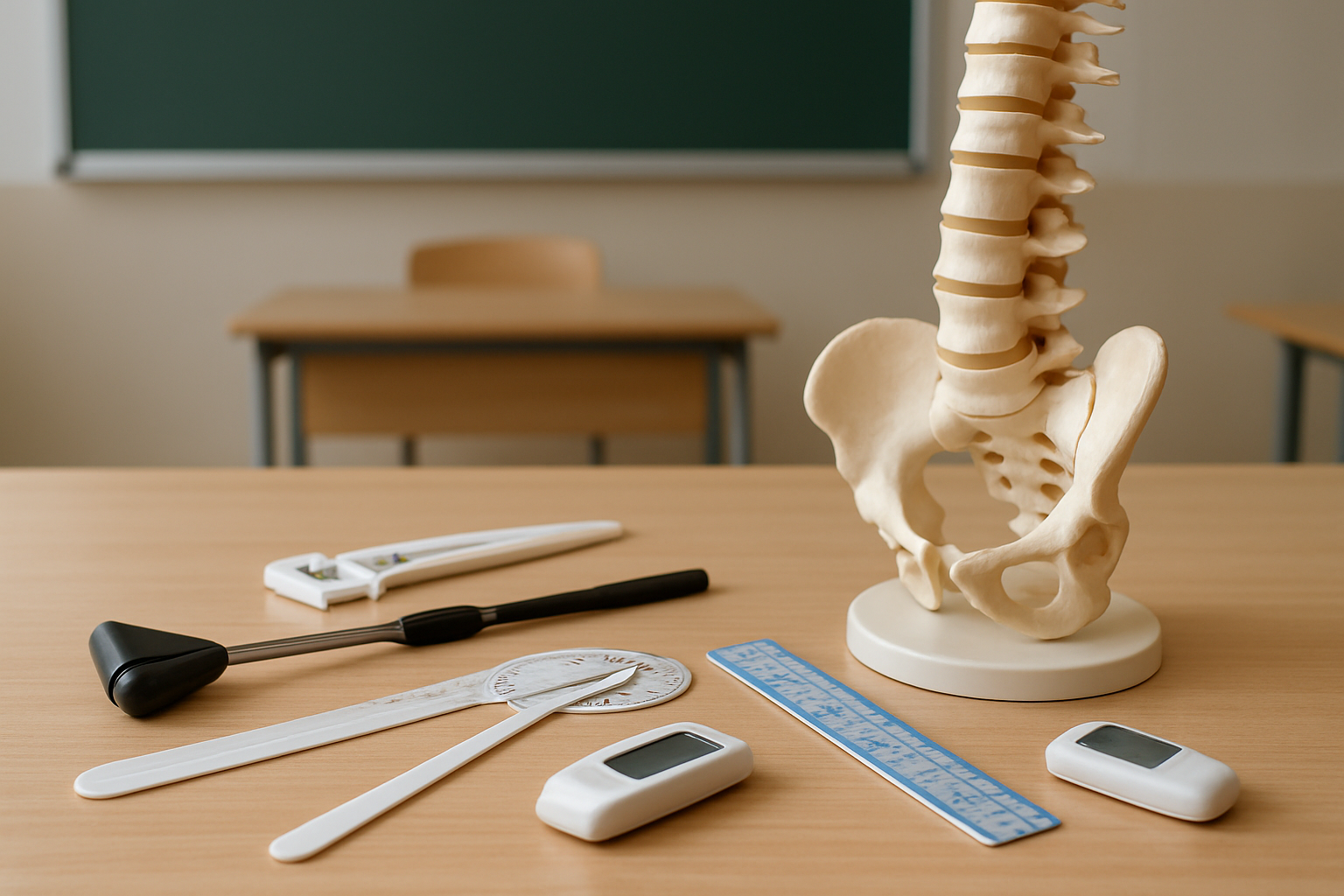
Degenerative spine conditions can develop gradually as spinal structures experience changes over time. These changes may involve discs, joints, bones, or other supporting tissues and can sometimes contribute to discomfort, stiffness, or reduced mobility. Modern spine care continues to explore ways of understanding these conditions and improving treatment strategies. The perspective associated with Dr. Kenneth Pettine reflects the broader interest in developing thoughtful approaches to complex degenerative spinal problems while keeping patient needs at the center of care.
In This Article
- The Importance of Individual Evaluation
- Exploring Modern Treatment Concepts
- The Role of Rehabilitation
- Balancing Innovation With Evidence
- Looking Toward the Future
The Importance of Individual Evaluation
Degenerative spine conditions can affect individuals differently. Age, activity levels, physical condition, previous injuries, and the specific spinal structures involved may all influence symptoms and treatment considerations. For this reason, modern care benefits from individualized assessment rather than relying on one approach for every patient.
A detailed evaluation can help healthcare professionals understand the nature of a spinal condition and consider appropriate management options. Patient goals are also important because treatment planning may differ for someone seeking improved mobility compared with someone primarily focused on managing discomfort during everyday activities.
Exploring Modern Treatment Concepts
Advances in spine care have encouraged continued interest in approaches that address both symptoms and underlying biological changes. Conservative care, rehabilitation, lifestyle adjustments, and procedural options may all have roles depending on the individual’s circumstances.
The broader approach represented by Dr. Kenneth Pettine can be viewed within this continuing exploration of innovative spine treatment. Regenerative medicine and other developing areas of research have attracted attention because scientists are studying whether biological approaches may eventually contribute to tissue repair or improved spinal function. Such approaches require careful scientific evaluation before their effectiveness can be established.
The Role of Rehabilitation
Rehabilitation remains an important part of many approaches to spine care. Appropriate exercises and physical strategies may help individuals improve strength, flexibility, posture, and movement patterns. Rehabilitation can also support patients as they work toward returning to desired activities.
A successful approach should consider long-term function rather than focusing only on short-term symptom changes. Patients may benefit from understanding how movement, physical conditioning, and daily habits can influence their overall spinal health.
Balancing Innovation With Evidence
Innovation can create opportunities for improving degenerative spine care, but new approaches must be evaluated responsibly. Research should examine potential benefits, limitations, safety considerations, and long-term outcomes before broad conclusions are reached.
This is especially important for emerging biological treatments. A promising theory or early research result does not automatically establish a therapy as effective. Continued investigation allows healthcare professionals and researchers to develop a clearer understanding of which approaches may have meaningful clinical value.
Looking Toward the Future
The future of degenerative spine care may involve improved diagnostic methods, individualized treatment planning, rehabilitation strategies, and continued research into regenerative approaches. Progress will depend on combining scientific investigation with practical patient care.
A forward-looking approach should remain flexible while maintaining realistic expectations and attention to evidence. The principles associated with Dr. Kenneth Pettine highlight the broader importance of research, individualized evaluation, responsible innovation, and comprehensive care when considering new approaches to degenerative spine conditions. Through continued study and thoughtful treatment planning, modern spine care can continue developing strategies aimed at supporting mobility, function, and long-term patient well-being.
Key Points
- Degenerative spine conditions can involve discs, joints, bones, or supporting tissues, leading to discomfort, stiffness, or reduced mobility over time.
- Individual evaluation is crucial in spinal care as factors such as age and activity levels can significantly influence symptoms and treatment strategies.
- Advances in spine care emphasize addressing both symptoms and underlying biological changes, utilizing conservative care, rehabilitation, and innovative procedural options.
- Rehabilitation plays a vital role in spine care, focusing on improving strength, flexibility, posture, and movement to support long-term function.
- New treatment approaches must be responsibly evaluated for benefits, safety, and long-term outcomes before being widely adopted in clinical practice.
- The future of degenerative spine care will likely include improved diagnostics, individualized treatment planning, and ongoing research into regenerative medicine.