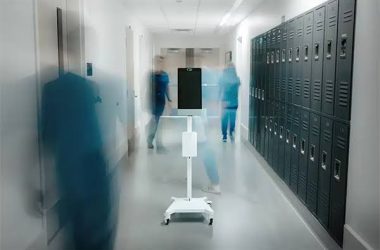
How has digital healthcare changed the patient journey? Healthcare delivery is increasingly moving beyond the traditional clinic visit, creating connected pathways from consultation to fulfillment. Telehealth Platforms now help bring several stages of care into a coordinated digital experience, allowing patients to access consultations, complete required intake steps, receive clinical guidance, and move toward appropriate fulfillment through one streamlined process.
In This Article
- What role does digital consultation play?
- Why is patient intake important?
- How does fulfillment fit into the process?
- What operational benefits can connected systems provide?
- How does security affect telehealth delivery?
- What should patients expect from a modern digital healthcare journey?
- What does the future of digital healthcare look like?
What role does digital consultation play?
Online consultation is often the first major interaction between a patient and a healthcare service. Instead of traveling to a physical location, patients can communicate with qualified healthcare professionals through secure digital channels. Depending on the service model, consultations may involve video appointments, messaging, questionnaires, or other approved communication methods.
The important development is not simply moving a conversation online. Modern systems are designed to connect consultation information with subsequent stages of the healthcare journey. This can reduce unnecessary repetition and help create a more organized experience for both patients and care teams.
Why is patient intake important?
A structured intake process gives healthcare professionals relevant information before or during a consultation. Patients may provide details about their symptoms, medical history, current medications, allergies, and other information requested by the provider.
Digital intake can also improve consistency. Required fields, guided questions, and secure documentation can help ensure that essential information is available for clinical review. When intake and consultation are connected, patients may spend less time repeating information across different steps.
How does fulfillment fit into the process?
Healthcare fulfillment can include activities that occur after a clinical decision has been made. Depending on the service, this may involve prescription processing, pharmacy coordination, payment handling, order preparation, or delivery arrangements.
Connecting these functions digitally can make the overall journey easier to follow. Instead of treating consultation and fulfillment as unrelated activities, an integrated system can coordinate them around the appropriate patient order or care pathway.
What operational benefits can connected systems provide?
One measurable advantage is process visibility. When different healthcare functions operate through connected workflows, authorized teams can monitor the progress of an order or patient journey more efficiently.
Automation may also reduce repetitive administrative work. Routine tasks such as collecting information, organizing documentation, communicating status updates, and processing standard workflow steps can be managed digitally. This allows staff to devote more attention to activities that require human review and professional judgment.
How does security affect telehealth delivery?
Healthcare platforms must treat privacy and security as fundamental requirements. Patient information can be highly sensitive, so systems need appropriate safeguards for authentication, access control, data transmission, storage, and administrative oversight.
Compliance requirements can vary according to location, service type, and organizational structure. A professional digital healthcare operation therefore needs policies and technical controls that match the applicable regulatory environment.
What should patients expect from a modern digital healthcare journey?
A well-designed experience should be clear rather than complicated. Patients should understand what information is required, how consultation works, what happens after a clinical decision, and how fulfillment is handled when applicable.
Clear communication can be particularly valuable when several healthcare functions are involved. Status notifications, understandable instructions, and accessible support can help reduce uncertainty throughout the process.
What does the future of digital healthcare look like?
The direction of telehealth is increasingly focused on connected healthcare journeys rather than isolated online appointments. Consultation, intake, clinical review, fulfillment, and payment can work as coordinated stages within a broader digital workflow.
The central value is integration. When technology connects appropriate healthcare functions while maintaining professional oversight, patients can experience a more organized pathway from initial consultation through the next stage of care. As digital healthcare continues to mature, platforms that combine convenience, security, operational coordination, and patient-centered design will remain important components of modern healthcare delivery.
Key Points
- Telehealth platforms enable a coordinated digital experience from consultation to fulfillment, streamlining the patient journey.
- Online consultations are a primary interaction point, allowing patients to connect with healthcare professionals through secure digital channels.
- A structured digital intake process improves information consistency and reduces the need for patients to repeat information across different healthcare steps.
- Healthcare fulfillment activities, including prescription processing and payment handling, can be integrated digitally to simplify the overall patient journey.
- Connected systems provide operational benefits such as improved process visibility and reduced administrative workload through automation.
- Patients can expect a clear and well-designed digital healthcare experience with transparent communication regarding required information and care processes.