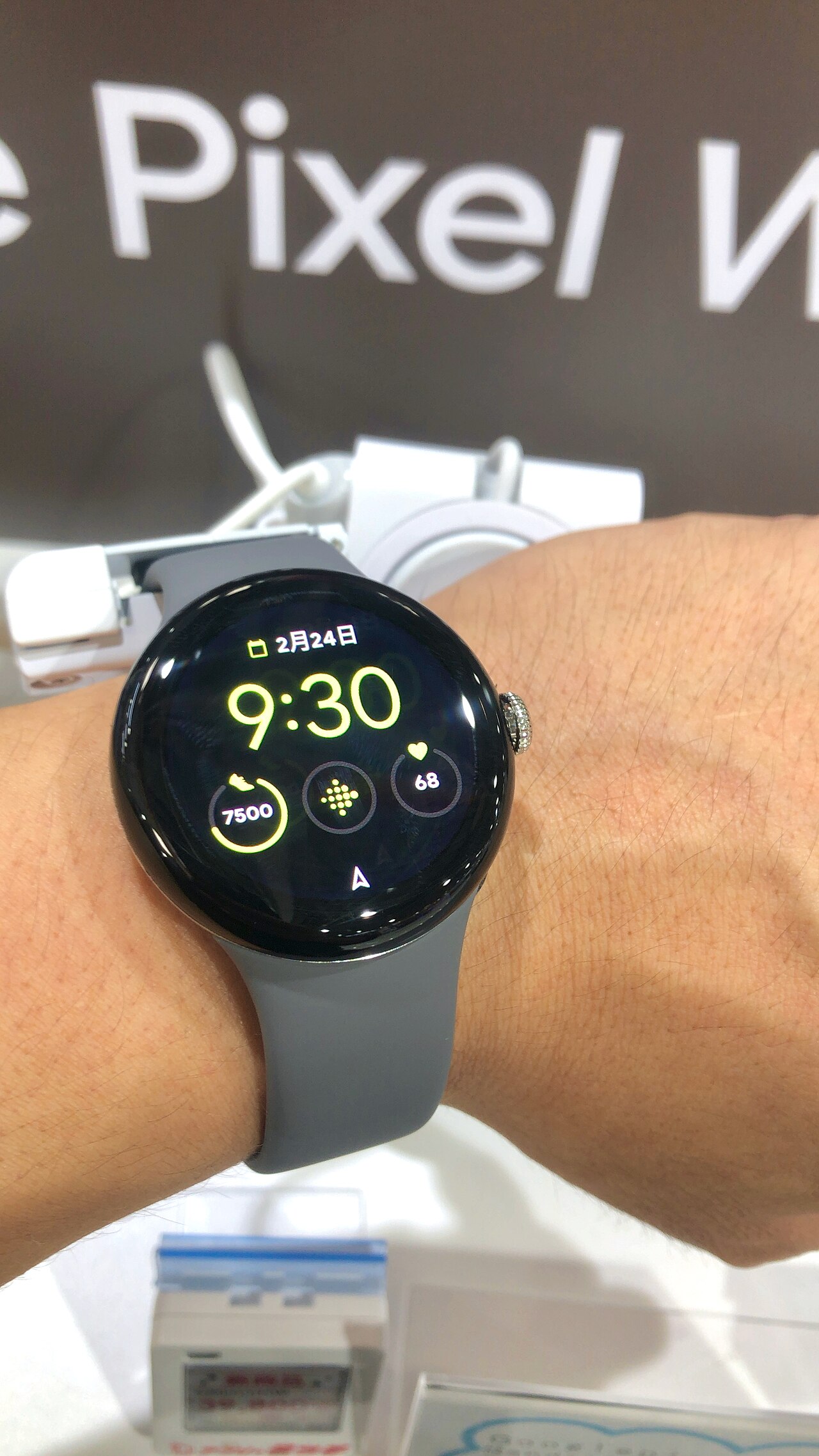
Pixel Watch gestures enable users to control Android XR glasses effortlessly. This innovative feature enhances user experience by integrating gesture control with wearable technology.
What Are Pixel Watch Gestures?
Pixel Watch gestures are innovative features designed to enhance user interaction with smart devices, particularly the Android XR glasses. These intuitive controls allow users to navigate and manage their devices seamlessly, promoting a hands-free experience.
By utilizing a combination of wrist movements and touches, users can perform various actions without needing to physically touch their devices. This functionality is particularly useful in situations where hands may be occupied or when quick access is necessary.
Some key aspects of Pixel Watch gestures include:
- Wrist Flicks: A simple flick of the wrist can answer calls, dismiss notifications, or switch between apps.
- Tap and Hold: Users can long press the watch face to access shortcuts or activate specific features.
- Swipe Actions: Swiping in different directions can control music playback or adjust settings without requiring screen interaction.
These features not only streamline the user experience but also integrate seamlessly with other devices, making the Pixel Watch an essential companion for those who want to maximize efficiency and ease of use in their daily routines.
How to Use Pixel Watch with Android XR
The integration of Pixel Watch gestures with Android XR opens up a new realm of convenience for users. To effectively use your Pixel Watch with Android XR, you will need to familiarize yourself with some essential gestures that enhance navigation and functionality.
Here are some key gestures to keep in mind:
- Tap: A quick tap on the watch face can activate various features, such as notifications or quick settings.
- Swipe: Swiping left or right allows you to move between different applications or notifications effortlessly.
- Long Press: Holding down on an app icon or widget will reveal additional options or settings, giving you more control.
- Pinch: For certain applications, using a pinch gesture can zoom in or out, providing a better view of content.
By mastering these Pixel Watch gestures, you can seamlessly interact with Android XR, making your experience more intuitive. As you practice these movements, you’ll discover how easily you can control various functions, from checking messages to adjusting settings, all with just a flick of your wrist.
Benefits of Gesture Control
The introduction of Pixel Watch gestures brings a new level of convenience and efficiency to users of Android XR glasses. By utilizing simple hand movements, users can control various functions without the need for physical interaction with the device. This innovative approach offers several benefits:
- Enhanced User Experience: Gesture control allows for a more intuitive interaction with technology, making it easier to navigate menus and applications.
- Hands-Free Operation: Users can perform tasks without needing to touch their devices, which is particularly useful in situations where hands are occupied.
- Increased Accessibility: For those with mobility issues or limited dexterity, the ability to control Android XR with simple gestures can significantly improve usability.
- Seamless Integration: Pixel Watch gestures work in harmony with Android XR, creating a cohesive ecosystem that enhances overall functionality.
- Customizable Controls: Users can personalize their gesture settings, tailoring the control scheme to fit their preferences and needs.
In summary, the implementation of Pixel Watch gestures not only simplifies the way users engage with their devices but also elevates the overall experience, making technology more accessible and enjoyable.
Comparing Pixel Watch and Fitbit Air
The recent advancements in wearable technology have led to an exciting comparison between the Pixel Watch and the Fitbit Air, particularly in terms of their gesture control capabilities. Both devices are designed to enhance user interaction with the Android XR environment, offering seamless control through intuitive movements.
While the Pixel Watch gestures allow users to navigate their devices effortlessly, the Fitbit Air presents its own unique features. Here are some key differences:
- User Interface: The Pixel Watch boasts a more advanced interface, making it easier to initiate gestures with a simple flick of the wrist.
- Customization: The Fitbit Air offers limited customization options for its gesture controls, while the Pixel Watch allows users to personalize their experience.
- Battery Life: Users may find that the Fitbit Air provides a longer battery life, which can be crucial for extended use during outdoor activities.
- Compatibility: Both devices work well with Android XR, but the Pixel Watch’s integration has proven to be more robust, offering a smoother experience.
Ultimately, the choice between the two will depend on personal preferences and specific needs in the realm of gesture control.
User Reactions to New Features
The introduction of Pixel Watch gestures has sparked a wave of excitement among users, particularly those who have integrated this technology with Android XR. Many users have taken to social media to share their experiences and reactions to the new features.
One common sentiment is the appreciation for the seamless interaction between the Pixel Watch and Android XR. Users have noted that the gestures make it easier to navigate their devices without needing to touch the screen, enhancing overall convenience. This hands-free functionality has been particularly praised during workouts or while commuting.
However, some users have reported a learning curve when mastering the various gestures. Feedback includes:
- “The gestures are intuitive once you get used to them!”
- “I love the freedom of controlling my glasses without fumbling for my phone.”
- “A bit tricky at first, but now I can’t imagine going back.”
Overall, the user reactions to Pixel Watch gestures have been overwhelmingly positive, with many eager to explore the full potential of this innovative feature as it continues to evolve.
Future of Wearable Tech
The future of wearable tech is increasingly intertwined with intuitive interaction methods, and Pixel Watch gestures are at the forefront of this evolution. As technology continues to advance, the integration of gesture control into devices like the Pixel Watch and Fitbit Air is paving the way for a more seamless user experience.
Consumers are looking for devices that not only enhance their daily routines but also offer innovative ways to engage with technology. The ability to control Android XR glasses through simple hand movements exemplifies this trend, allowing users to navigate their digital environment effortlessly.
In the coming years, we can expect several key developments in the realm of wearables, including:
- Enhanced Gesture Recognition: As AI improves, the accuracy of gesture detection will become more refined, leading to more reliable interactions with devices.
- Broader Compatibility: Future wearables will likely support a wider range of applications and devices, enhancing the connectivity and functionality of gadgets.
- Personalized User Experience: Wearable tech will increasingly adapt to individual user preferences, making gesture control more intuitive and tailored.
These advancements signal a significant shift toward more natural and efficient ways to interact with technology, making the future of wearable devices exceptionally promising.
Conclusion: Embracing Gesture Technology
As we conclude our exploration of Pixel Watch gestures, it is clear that this innovative technology is reshaping our interaction with smart devices. The integration of gesture control with Android XR opens up a new realm of possibilities for users, allowing them to navigate seamlessly without the need for traditional input methods.
Embracing this gesture technology not only enhances the user experience but also sets a precedent for future innovations in wearable tech. Here are some key takeaways:
- Intuitive Control: Users can perform tasks more naturally, making technology feel more integrated into daily life.
- Hands-Free Functionality: Gesture control allows for operation of devices even when hands are occupied, increasing convenience.
- Accessibility: This technology offers an alternative for individuals who may struggle with traditional interaction methods.
- Future Potential: As gesture recognition improves, we can expect even more advanced features that enhance usability and interactivity.
In summary, the advent of Pixel Watch gestures signifies a pivotal shift towards a more intuitive and efficient way to engage with our devices, paving the way for a smarter future in wearable technology.
via Wikimedia Commons
References
Aluminum foil sides: The best proven uses you didn’t know · Fortnite update patch notes: Clear changes and fixes today · PS5 sales milestone: Is it worth the 30% price increase?